Top Air Conditioning Trends to Watch in 2026?

As we look ahead to 2026, the air conditioning industry is poised for significant changes. Renowned HVAC expert Dr. Emily Carter highlights, “Innovation in air conditioning is no longer a luxury but a necessity.” Her insights connect the future of air conditioning to sustainability and technology.

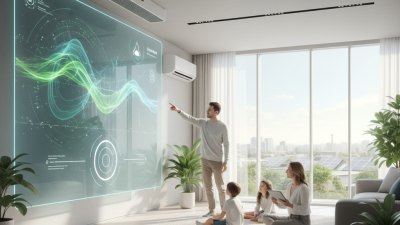
Air conditioning systems are evolving rapidly. Energy efficiency is becoming crucial. Consumers now demand solutions that reduce their carbon footprint. Smart technology integration is also on the rise. Air conditioners able to interact with home automation systems offer both convenience and efficiency.

While advancements are promising, challenges remain. The need for skilled professionals to adapt to these technologies is critical. As the industry progresses, it is vital for stakeholders to remain informed and adapt. The future of air conditioning is bright, yet it requires a commitment to innovation and responsibility.

Top Air Conditioning Trends to Watch in 2026?

Emerging Energy-Efficient Technologies in Air Conditioning by 2026

As we approach 2026, air conditioning technology is set to undergo significant transformations. Among these changes, energy-efficient technologies take center stage. According to the International Energy Agency (IEA), improving energy efficiency in cooling systems could lead to savings of up to 30% in energy consumption by 2026.

One of the most promising advancements is the use of variable refrigerant flow (VRF) systems. These systems adapt to changing conditions and provide targeted cooling. The ongoing shift to smart HVAC systems also enhances efficiency, allowing for remote monitoring and optimization. Industry reports suggest that smart technology integration could boost operational efficiency by up to 40% in commercial settings.

Tips for consumers include looking for units with high Seasonal Energy Efficiency Ratios (SEER). Also, consider systems that offer zoning capabilities to maximize comfort efficiently. Regular maintenance is key; it can significantly extend the life of your unit while keeping energy costs manageable. Additionally, embracing eco-friendly refrigerants can minimize environmental impact, a growing concern as regulations tighten.

Integration of Smart Home Automation with HVAC Systems

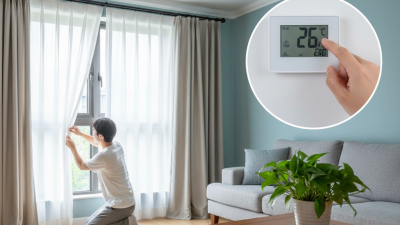
The integration of smart home automation with HVAC systems is reshaping how we manage indoor climates. In 2026, expect to see advancements that enhance energy efficiency. Smart thermostats are already in many homes, learning users’ habits to optimize temperature settings. This tech will evolve, offering even more precise adjustments based on real-time data.

Voice-controlled features will become commonplace. Imagine adjusting your home's temperature simply by speaking. This will add convenience, but not every device works flawlessly. There are still challenges in seamless interactions among different systems. Users may find frustration when devices from various brands struggle to communicate.

Security also remains a concern. With increased automation comes the risk of being hacked. Homeowners need to consider robust security measures as they upgrade their systems. Balancing convenience with safety will be essential in the coming years. Users should remain informed about the best practices in protecting their smart homes while enjoying the comforts of advanced HVAC technology.

Advancements in Refrigerants: Eco-Friendly Solutions for Air Conditioning

In recent years, the air conditioning industry has seen significant changes, particularly in refrigerants. Traditional refrigerants often harm the environment. However, by 2026, advancements in eco-friendly solutions are reshaping this landscape. Reports indicate that hydrofluoroolefins (HFOs) and natural refrigerants are leading the charge. HFOs have a much lower Global Warming Potential (GWP) compared to older options. They can reduce GWP by over 99%.

Natural refrigerants, such as CO2 and hydrocarbons, are gaining traction. Their minimal environmental impact makes them ideal for future systems. According to industry studies, the use of natural refrigerants could grow by 50% in the next three years. These substances are not only sustainable but also offer high energy efficiency.

Challenges remain. Many installations require significant retrofitting to accommodate new refrigerants. This transition may slow down adoption rates. Not every facility is ready for a complete overhaul. Furthermore, while these advancements are promising, fluctuations in energy supply still pose a hurdle. Overall, industry experts emphasize the need for ongoing research and collaboration to overcome these gaps. Continued innovation and regulatory support are essential for a greener future in air conditioning systems.

Trends in IoT and AI for Predictive Maintenance in HVAC Systems

The integration of IoT and AI in HVAC systems is set to transform how predictive maintenance is approached in the coming years. A recent report from the Global HVAC Market suggests that around 52% of organizations are already implementing IoT technologies to enhance operational efficiency. These advancements enable real-time monitoring of system performance and can predict potential failures before they occur. This proactive approach minimizes downtime and maximizes energy efficiency, crucial in today’s eco-conscious climate.

Data-driven insights from IoT devices provide a clearer understanding of system conditions. For instance, sensors can detect unusual vibrations in compressors, indicating the need for maintenance. However, reliance on these technologies presents challenges. Not all HVAC systems are equipped with compatible devices, which can lead to integration headaches. As organizations navigate this transition, they will face decisions about where and how to invest in these technologies effectively.

The future of HVAC predictive maintenance is promising yet complex. Research indicates that AI can reduce maintenance costs by up to 30%. Still, organizations must ensure that their staff is adequately trained to interpret these new data streams. Without proper understanding, the benefits of these technological investments may not be fully realized. Balancing innovation with practical implementation will be key in leveraging the potential of IoT and AI in HVAC maintenance strategies.

Growth of Sustainable Cooling Solutions in Urban Environments by 2026

The growth of sustainable cooling solutions is set to transform urban environments by 2026. Cities are increasingly plagued by heat islands, resulting from concrete and asphalt absorbing sunlight. As temperatures rise, the demand for energy-efficient cooling systems grows. Sustainable cooling methods, such as green roofs or reflective materials, can significantly reduce energy consumption and combat urban heat.

Adopting natural cooling techniques can also enhance air quality. These systems often utilize less energy and produce fewer emissions. Urban planners are integrating these solutions into building designs, ensuring a healthier living environment. However, the transition may face challenges. Resistance to change and upfront costs can deter some businesses and homeowners.

Consider these points for a successful shift to sustainable cooling. First, assess your building’s insulation. Effective insulation reduces reliance on air conditioning. Explore options for green roofs or vertical gardens. They not only provide shade but also improve aesthetics. Lastly, stay informed about local regulations and incentives for adopting green technologies. Engaging with community initiatives can also foster awareness and support for sustainable practices.