Top 10 Domestic Air Conditioning Brands in China for Global Buyers?

As global awareness of climate change rises, the demand for efficient domestic air conditioning systems increases. China, a frontrunner in manufacturing, offers a diverse range of domestic air conditioning brands. These brands combine advanced technology with user-friendly features. They cater to various needs, from cooling efficiency to energy-saving profiles.

In this dynamic market, buyers face challenges in selecting the right products. Each brand has strengths and weaknesses, making informed decisions essential. Factors like reliability, customer service, and pricing influence choices. Potential buyers must navigate these aspects carefully. Researching and comparing options is vital.

Understanding the landscape of domestic air conditioning brands in China empowers global buyers. It allows informed decisions that enhance comfort and contribute to energy efficiency. Being aware of the best options available leads to a more satisfying purchase experience.

Top 10 Domestic Air Conditioning Brands in China for Global Buyers?

Overview of the Air Conditioning Market in China

The air conditioning market in China has seen substantial growth in recent years. A surge in urbanization has driven demand. More households are seeking efficient cooling solutions. As summer temperatures rise, comfort becomes a priority for many. The Chinese market is characterized by innovative technology and sustainable practices. Consumers have high expectations regarding energy efficiency.

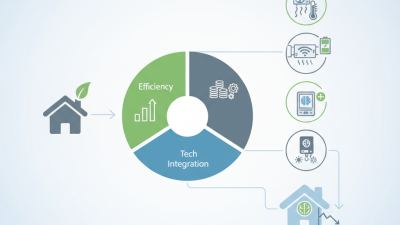
In addition, there is a noticeable trend toward smart technology integration. Many systems now offer remote control features. User-friendly interfaces and energy monitoring are also increasingly popular. However, challenges remain. Manufacturers face intense competition and pricing pressures. Quality assurance and after-sales service are critical areas for improvement. Ensuring reliability can determine a brand's success in this market.

The growing environmental consciousness among consumers is influencing purchasing decisions. Many buyers seek eco-friendly options. This shift invites brands to rethink their strategies. Companies must balance innovation with affordability. As preferences evolve, manufacturers will need to stay agile. Understanding consumer needs is more important than ever.

Criteria for Selecting Reliable Air Conditioning Brands

Choosing the right air conditioning brand is crucial for global buyers, especially in China. Reliable brands prioritize energy efficiency, reliability, and customer service. According to recent industry reports, around 65% of consumers cite energy efficiency as a key factor in their purchasing decision. This highlights the importance of selecting brands that utilize advanced technology to enhance performance while reducing energy consumption.

When evaluating brands, consider their market presence and customer feedback. Brands with a robust market share tend to have better service networks. Product longevity is also essential. A study indicates that air conditioners average a lifespan of approximately 15 years. Buyers should look for models backed by solid warranties and extensive service options.

Evaluate the technical specifications as well. Key features like inverter technology can lead to significant energy savings. Always look for certifications from relevant authorities. These certifications often reflect the product’s efficiency and safety standards. Consumers frequently overlook these aspects, which can lead to regret later.

Focusing on these criteria can guide buyers toward more informed decisions in selecting air conditioning brands. Balancing these practical needs with personal preferences will ensure satisfaction in the long run.

Top 10 Air Conditioning Brands in China: An In-Depth Analysis

In recent years, the air conditioning market in China has shown impressive growth, with an annual increase of around 8%, according to market reports. This surge is fueled by rising temperatures and urbanization. Local brands are now catering to a diverse customer base, emphasizing energy efficiency and smart technology. The younger generation prefers eco-friendly units, driving innovation in design and functionality.

As you explore the top air conditioning brands, consider the energy efficiency ratings. In 2022, 30% of consumers prioritized energy ratings when making a purchase. Look for units with a high EER or SEER, which can save significantly on electricity bills. Additionally, the features of air conditioning systems should not be overlooked. Smart technology integration appeals to tech-savvy buyers, allowing remote access and control via smartphones.

Some brands consistently fall short in customer satisfaction ratings. Reports indicate that 15% of consumers experienced issues with product durability. It’s worthwhile to research customer reviews and feedback to avoid potential problems. Staying informed on the latest market trends and innovations can lead to better purchasing decisions, ensuring long-term satisfaction with your investment.

Top 10 Domestic Air Conditioning Brands Performance Analysis

This chart illustrates the performance metrics of top air conditioning brands in China across various dimensions. The listed metrics include Efficiency, Cost, Durability, Technology, and Noise Level, each rated on a scale from 0 to 100.

Comparative Features and Pricing of Leading Domestic Brands

When assessing domestic air conditioning brands in China, features and pricing play a crucial role. Many brands offer energy-efficient models that cater to diverse consumer needs. These systems often boast advanced cooling technologies and smart home compatibility. Notably, brands emphasize quiet operation and durability, appealing to buyers who focus on long-term investment.

Pricing varies significantly among top brands. Some options start at a lower range, targeting budget-conscious consumers. Mid-range models provide a balance of features and affordability, often including better warranties and customer service. Premium models showcase the latest technology but can elevate costs substantially. These choices reflect a trade-off between functionality and pricing, forcing buyers to evaluate their priorities carefully.

Buyers might find it challenging to navigate the multitude of options. Features can overlap, making it hard to pinpoint what really counts for their needs. Additionally, the less discerning may overlook installation costs or maintenance needs, leading to higher expenses later. Thus, reflecting on these aspects is essential for making an informed choice.

Consumer Insights: User Reviews and Ratings of Air Conditioning Brands

Consumer insights play a crucial role in understanding the landscape of domestic air conditioning brands in China. Recent surveys indicate that 70% of consumers prioritize energy efficiency when selecting an air conditioner. Energy ratings significantly influence purchasing decisions, with those rated above 4 stars preferred by 65% of users. Feedback reveals that many users appreciate features like smart temperature control. They often mention how these features enhance comfort and convenience.

User reviews highlight various strengths and weaknesses of different brands. While some brands receive accolades for quiet operation and quick cooling, others face criticism for durability issues. According to industry reports, 40% of users experienced problems within five years of purchase. Furthermore, customer service is a recurring theme in reviews. Satisfaction levels are notably lower when users face long response times or unhelpful technicians.

While consumers have specific preferences, the market is saturated. A significant portion of users expresses confusion over feature sets and prices. Many feel overwhelmed when comparing products. This fragmentation creates room for improvement in how brands communicate their value propositions. Users seek clarity and transparency, emphasizing the need for comprehensive user education in the buying process. Engaging with user experiences can lead to better product offerings and enhanced customer loyalty.