Top 10 Residential Air Conditioning Systems for Global Buyers?

The demand for residential air conditioning systems continues to rise globally. According to a report by the International Energy Agency, residential air conditioning accounts for about 10% of total electricity consumption worldwide. This increasing reliance on air conditioning reflects broader climate trends and urbanization. However, not all systems are created equal.

Choosing the right residential air conditioning system requires careful consideration. Factors such as energy efficiency, cost, and environmental impact play crucial roles. The U.S. Department of Energy indicates that a well-chosen system can reduce energy bills by 20-50%. Yet, many buyers overlook these aspects while making decisions.

Research indicates that homeowners often prioritize initial purchase cost over long-term efficiency. This can lead to regrets later. Selecting the right air conditioning system is an investment in comfort and sustainability. It is essential to stay informed about the latest models and technologies in the market. Informed choices result in better performance and reduced environmental footprints.

Top 10 Residential Air Conditioning Systems for Global Buyers?

Top 10 Residential Air Conditioning Systems: An Overview of Market Trends

The residential air conditioning market is evolving rapidly, responding to consumer demand and environmental concerns. Recent data from the International Energy Agency (IEA) revealed that global air conditioning units could exceed 5.6 billion by 2050. This staggering growth highlights the importance of energy efficiency. Users are increasingly seeking systems that not only cool effectively but also reduce energy consumption.

In the current landscape, ductless mini-split systems are gaining popularity. They offer flexibility and efficiency, ideal for retrofitting homes. A report by the U.S. Department of Energy states that these systems can reduce energy costs by 30% or more compared to traditional central AC systems. However, this increased efficiency comes with a higher initial investment, leading some buyers to hesitate.

Market experts stress the importance of understanding installation costs versus energy savings in the long run. Without comprehensive knowledge, consumers might overlook systems that would save money over time. The growing trend towards smart technologies is also noteworthy. Smart thermostats and sensors can optimize cooling, providing buyers with the potential for significant savings while enhancing comfort. As the market continues to shift, consumers must remain informed to navigate the complexities and make the best decisions for their homes.

Key Features to Consider When Choosing Air Conditioning Systems

Choosing the right air conditioning system is crucial for residential comfort. When selecting an air conditioning unit, consider the efficiency rating. Systems with a higher energy efficiency ratio (EER) can help reduce utility bills. Look for models that allow flexible temperature control. Programmable thermostats can make a noticeable difference.

Another key feature is the noise level. Some systems operate quietly, while others may disturb your peace. It's wise to read user reviews about noise levels before making a decision. Installation complexity also varies. Some units may require professional setup, while others you can install yourself. This aspect can impact your budget and timeline.

Lastly, consider maintenance needs. Regular upkeep can prolong the life of the system. Evaluate if the system has replaceable filters. Filters that trap dust and allergens improve indoor air quality. If users neglect maintenance, performance may suffer. It’s essential to weigh these factors based on your specific needs and lifestyle.

Energy Efficiency Ratings: Understanding SEER and EER Standards

Understanding energy efficiency ratings is crucial for anyone considering residential air conditioning systems. Two key metrics are SEER (Seasonal Energy Efficiency Ratio) and EER (Energy Efficiency Ratio). SEER evaluates how efficiently an air conditioning system operates over an entire cooling season. Higher SEER ratings indicate better efficiency, which can lead to lower energy bills. A SEER of 16 or higher is often desirable for optimal performance.

EER measures efficiency under specific conditions, usually at peak cooling performance. This is calculated at a set temperature, giving a snapshot of performance on the hottest days. Systems with a high EER perform better in extreme heat, providing peace of mind when the temperature spikes. It's essential to note, however, that while higher ratings often suggest better efficiency, other factors like installation, maintenance, and system size also impact overall performance.

When selecting an air conditioning system, understanding these ratings provides valuable insight. It's vital to compare options, as ratings can vary significantly between models. Additionally, energy efficiency alone doesn’t guarantee satisfaction. Homeowners need to reflect on their specific needs, preferences, and budget to choose the most suitable system. Keeping these details in mind can lead to smarter, more informed decisions.

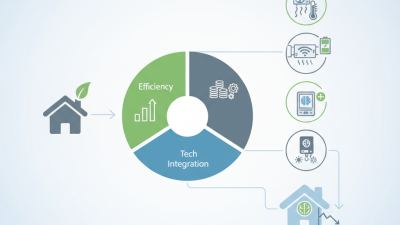
Top 10 Residential Air Conditioning Systems - Energy Efficiency Comparison

Leading Brands in Residential Air Conditioning: A Comparative Analysis

When comparing residential air conditioning systems, performance and energy efficiency are crucial factors. The market offers various options catering to different climate needs. A system’s capacity must align with your home’s size for optimal cooling. Keep in mind that some units are more suited for humid climates, while others excel in dry conditions.

Tips: Consider the SEER rating when choosing a unit. A higher SEER indicates better energy efficiency. This can lead to substantial savings on energy bills over time.

Additionally, installation and maintenance are vital. A poorly installed system can lead to inefficiencies and increased repair costs. Research local professionals to ensure quality service. Regular maintenance ensures optimal performance throughout the year.

Tips: Set a reminder for seasonal check-ups. This simple action can prevent major issues later on. Always consult with experts to understand your system’s specific requirements.

A well-informed choice can enhance comfort and save costs. Exploring various features, such as smart technology, can provide additional convenience. An informed decision always leads to better satisfaction in the long run.

Future Innovations in Residential Air Conditioning Technology and Design

The landscape of residential air conditioning is evolving rapidly. Innovations are changing how we view comfort in our homes. Energy efficiency is a major focus. New systems consume less energy while providing better cooling performance. This shift not only reduces costs but also benefits the environment.


Smart technology is becoming a standard in air conditioning systems. Many units now feature advanced sensors. These sensors adjust the temperature based on room occupancy. This feature can lead to significant energy savings. Moreover, remote control options via smartphones offer convenience. Yet, there is a learning curve to manage these technologies effectively.


Sustainable materials are gaining traction in HVAC designs. Manufacturers are exploring options that minimize environmental impact. However, the balance between performance and sustainability often raises questions. Materials that are eco-friendly may not always deliver the best efficiency. This dilemma requires continuous innovation and testing. Ultimately, future designs must blend performance with responsible choices.