When embarking on a project involving glass, precision is key. Precision Glass Clamps provide the security needed for your installations. Selecting the right clamps can make all the difference in fitting and safety.
In this article, we explore the top 10 options available on the market. Each clamp is reviewed for its durability, design, and suitability for different applications. These clamps range from simple models to advanced options, allowing for flexibility in your project.
Choosing Precision Glass Clamps is not only about aesthetics; it’s about ensuring a reliable hold. Quality clamps can prevent future complications. Consider the specific requirements of your project, and reflect on how each clamp can contribute to a successful outcome.
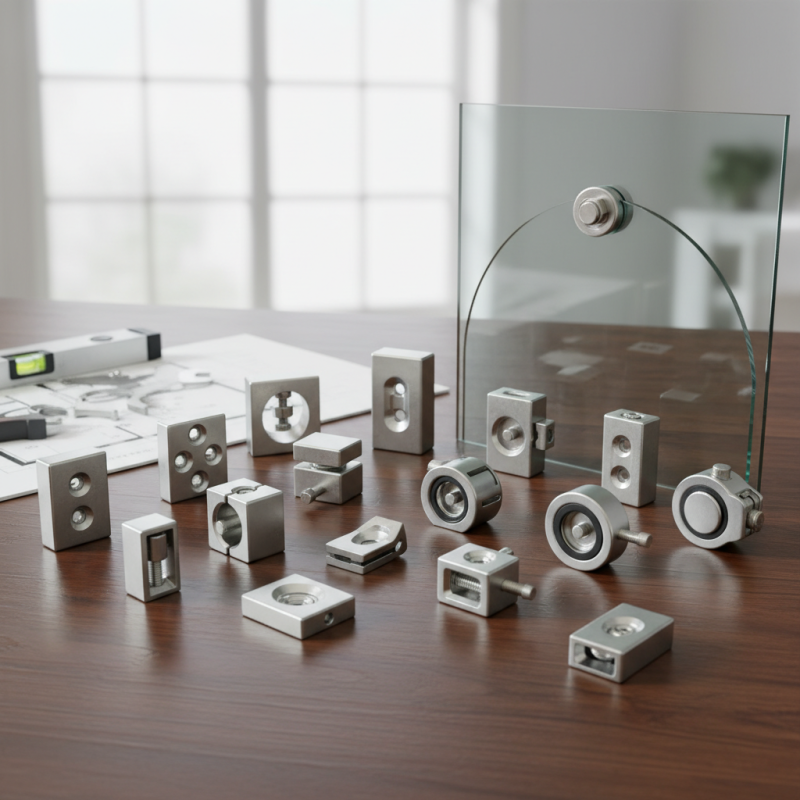
Precision glass clamps are essential in various applications. They provide secure support for glass panels in both residential and commercial settings. When installing glass balustrades or large windows, these clamps ensure stability and safety. The right clamp can enhance the aesthetic quality of a project while making installation easier.
These clamps come in different styles and sizes, catering to specific needs. In exhibitions and displays, precision glass clamps hold artwork securely. For shower enclosures, they serve a dual purpose: keeping glass in place while contributing to a sleek design. However, using the wrong type may lead to complications. Poor installation can compromise safety and aesthetic appeal.
Attention to detail is crucial in choosing clamps. Misjudgments in size or strength can result in undesirable outcomes. It’s essential to evaluate the environment where the clamps will be used. For instance, humidity can affect their performance. A thorough understanding of the project's requirements will guide better choices, ensuring project success.
When choosing glass clamps for your project, consider the material quality. Glass clamps often utilize stainless steel or aluminum. These materials offer durability and corrosion resistance. According to a recent report by the Glass Association, stainless steel clamps have a lower failure rate compared to alternatives. This factor is crucial for structural integrity.
Load-bearing capacity plays a significant role in clamp selection. The correct clamps manage stress and distribute weight evenly. A study found that improper clamp choices could lead to glass breakage. This can result in costly repairs and safety hazards. Hence, it's vital to assess the potential load in your design.
Compatibility with different glass thicknesses is also essential. Not all clamps cater to various thicknesses. Many professionals overlook this aspect, leading to poor fit and function. Poorly fitted clamps compromise the aesthetics and safety of glass installations. Evaluate the specifications carefully. This diligence can prevent future project setbacks and enhance overall performance.
When selecting precision glass clamps for your project, prioritize features that ensure stability and safety. Look for clamps that grip securely without damaging the glass. Many high-quality options have rubberized padding to prevent scratches. Durability is key, so consider materials that resist corrosion and wear.
Tips: Ensure your workspace is clean. Small debris can impact the effectiveness of your clamps. Always test the clamp on a scrap piece of glass, if possible. This reduces the risk of damaging your actual glass during installation.
Precision matters. Measure the thickness of your glass before purchasing clamps. Some clamps are designed for specific thicknesses. Inadequate fit can lead to failure. A well-fitted clamp provides peace of mind during execution.
Remember to check the specifications. Look for load ratings to understand the clamp's capacity. Some clamps may not hold as much weight as you expect. It's essential to inform yourself and make choices that prioritize safety and efficiency.
When it comes to installing glass clamps, precision is key. A report by the Glass and Glazing Federation indicates that proper installation can enhance the stability of glass structures by up to 45%. To achieve optimal performance, start by ensuring that the surface is clean and dry. Dust or moisture can weaken the adhesive bond, compromising the clamp’s effectiveness.
Alignment matters greatly. Misaligned clamps can lead to stress points, increasing the risk of breakage. Take the time to measure and mark the positions accurately. According to industry data, misalignment is a common error that can impact structural integrity by more than 30%. Utilizing a level can help maintain uniformity across all installed clamps.
Remember to consider load distribution. Incorrectly spaced clamps can lead to uneven pressure on the glass, which may cause failure. It's helpful to refer to load specifications provided for the clamps you choose. Many resources suggest installing clamps at regular intervals to support the glass evenly. Improper spacing is a mistake often made, but one that can have significant repercussions. Keeping these installation tips in mind will lead to enhanced performance and durability of glass structures.
Precision glass clamps are essential for many projects, but their longevity depends on proper maintenance and care. Regular cleaning is crucial. Use a soft cloth to wipe off dust and debris. Avoid abrasives that might scratch the surface. Moisture can lead to rust and deterioration. Ensure that clamps are dried thoroughly after cleaning.
Tips: Store clamps in a cool, dry place. This prevents moisture buildup. Inspect them frequently for signs of wear. If you notice any deformities, consider replacing them promptly. Proper handling can also extend their life. Avoid dropping them or exposing them to excessive force.
Considering the use of lubricants can also enhance functionality. A light application of non-corrosive lubricant may help joints move more smoothly. However, too much lubricant can attract dirt. Striking a balance is key. Regular maintenance not only preserves functionality but also ensures safety during projects. Be mindful of how you store and use your clamps for long-term reliability.
| Clamp Model | Material | Max Glass Thickness (mm) | Weight (kg) | Load Capacity (kg) | Care Instructions |
|---|---|---|---|---|---|
| Model A | Aluminum | 12 | 0.5 | 100 | Wipe with a soft cloth, avoid abrasive materials. |
| Model B | Stainless Steel | 15 | 0.8 | 150 | Use mild soap and water, dry immediately. |
| Model C | Plastic | 10 | 0.3 | 50 | Clean with damp cloth; avoid extreme heat. |
| Model D | Aluminum | 20 | 1.0 | 200 | Regularly inspect; lubricate screws as needed. |
| Model E | Stainless Steel | 12 | 0.6 | 120 | Avoid solvents; rinse with water after exposure. |
| Model F | Plastic | 8 | 0.2 | 30 | Store in a cool place; clean with a soft brush. |
| Model G | Aluminum | 25 | 1.2 | 250 | Prevent rust by drying after washing. |
| Model H | Stainless Steel | 15 | 0.7 | 180 | Inspected regularly for corrosion. |
| Model I | Plastic | 10 | 0.3 | 50 | Keep out of direct sunlight; clean gently. |
| Model J | Aluminum | 18 | 0.9 | 220 | Apply silicone grease to screws for longevity. |