In a world where businesses seek operational efficiency, choosing the right air systems plays a pivotal role. Research by the U.S. Department of Energy reveals that air systems account for nearly 30% of a commercial building's energy use. This statistic emphasizes the need for businesses to prioritize efficiency in their air systems. Choosing an effective air system not only enhances comfort but also reduces energy expenses significantly.
It’s crucial to understand that not all air systems are created equal. Variances in design, installation, and maintenance can lead to inefficiencies. According to the American Society of Heating, Refrigerating and Air-Conditioning Engineers (ASHRAE), poorly maintained air systems can lose up to 25% of their efficiency. This inefficiency can impact not only the bottom line but also indoor air quality. Businesses must reflect on their current systems and identify areas needing improvement.
Adopting best practices when selecting air systems can lead to long-term benefits. Effective systems can enhance employee productivity and improve overall health. However, the task is not without challenges. Business owners must navigate various options and regulations. The process requires diligence and careful consideration of industry standards to ensure reliability and performance.
Efficient air systems are crucial for any business. They not only enhance indoor air quality but also improve employee productivity. A report from the American Society of Heating, Refrigerating and Air-Conditioning Engineers reveals that good air quality can boost productivity by up to 15%. This is significant when considering operational costs and employee well-being.
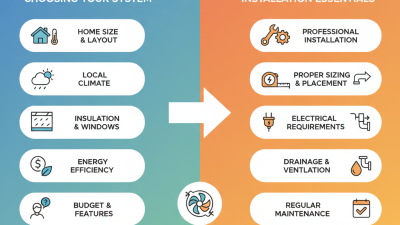
Choosing the right air system requires careful consideration. Evaluate the size of your space and the specific needs of your operations. A system that is too small may struggle to maintain air quality, while one that is too large could waste energy. Look for systems designed for energy efficiency. According to the U.S. Department of Energy, energy-efficient units can reduce energy use by up to 30-50%. This results in both cost savings and a smaller carbon footprint.
Pay attention to maintenance as well. Regular check-ups prolong the lifespan of your air system. Filters should be replaced frequently. A neglected system can become inefficient, counteracting any savings. Investing in an efficient air system leads to a healthier workplace and more significant financial rewards.
Choosing the right air system for your business is crucial. Different factors will influence your decision. Energy efficiency is a primary concern. An efficient system can significantly reduce operating costs. Look for systems with high energy ratings. This choice can lead to long-term savings.
Consider the size of your space. A system that is too small may struggle to maintain temperature. Conversely, an oversized system wastes energy. Calculate the required capacity based on your business environment. Seek professional input if needed. Ensuring proper installation will enhance performance.
Noise levels are often overlooked. A quiet system can create a comfortable working environment. Excessive noise may disrupt employees and reduce productivity. Research sound ratings before making a choice. It’s vital to weigh all aspects carefully. Each factor contributes to the overall effectiveness of the air system. Pay attention to installation and maintenance needs as well. These elements can impact reliability and performance.
| Factor | Description | Importance Level | Average Cost |
|---|---|---|---|
| Energy Efficiency | Look for systems with high SEER ratings. | High | $2,000 - $10,000 |
| System Size | Select a size that matches your space requirements. | High | $1,500 - $8,000 |
| Type of System | Consider options like VRF, central, or ductless systems. | Medium | $3,000 - $15,000 |
| Maintenance Requirements | Ensure the system is easy to maintain and has accessible parts. | High | N/A |
| Noise Level | Choose systems with lower decibel ratings for quieter operation. | Medium | N/A |
When selecting an air system for your business, understanding different types is crucial. There are centralized systems, which serve multiple areas from a single unit. These are efficient for large spaces but may require substantial initial investment. According to a 2022 report by the American Society of Heating, Refrigerating and Air-Conditioning Engineers (ASHRAE), centralized systems can lead to energy savings of up to 30%. However, they may struggle with air quality if not maintained properly.
Ductless mini-split systems offer flexibility and easy installation. They allow for zone control, enabling you to cool or heat specific areas as needed. A recent study from the U.S. Department of Energy indicates that these systems can save businesses about 20% on energy costs in the right conditions. Despite these benefits, they can be less effective in extreme climates. Proper sizing and placement are key factors.
Chilled beams, another option, utilize water to cool spaces. They consume less energy than traditional systems but require a building design that accommodates water lines. Understanding these nuances helps businesses reflect on specific needs. Can the chosen system adapt to future changes? Is maintenance manageable with existing resources? Exploring these questions will guide you to an efficient solution while addressing potential challenges.
When choosing air systems for your business, energy efficiency ratings should be a top consideration. These ratings indicate how effectively a unit converts electricity into cooling or heating. Higher ratings often lead to lower operational costs, which can significantly impact your bottom line. However, it’s essential to understand that a higher efficiency rating may come with a higher upfront cost.
Look for systems with Energy Star certifications. These systems are tested for energy efficiency and meet strict guidelines. Additionally, consider the Seasonal Energy Efficiency Ratio (SEER) for cooling systems and the Annual Fuel Utilization Efficiency (AFUE) for heating. More often than not, businesses overlook these specifics, focusing too much on initial installation instead of long-term savings.
It's vital to evaluate the specific needs of your space. Factors like square footage, insulation quality, and climate play critical roles in determining the right system. Some businesses may be tempted to choose the most powerful system available, but this can lead to short cycling and increased wear. Balancing efficiency and capacity is key to maintaining performance. Always consult with a qualified HVAC professional. They can provide insights tailored to your building’s unique requirements and ensure your investment is worthwhile.
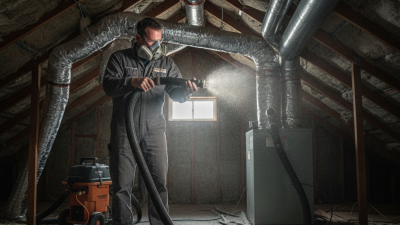
Maintaining air systems is essential for their longevity. Regular check-ups can identify issues before they escalate. Scheduled maintenance should not be overlooked. It can save costs in the long run. A simple inspection might reveal leaks or blockages. These problems can lead to inefficient performance. Unexpected breakdowns can disrupt business operations, making ongoing maintenance crucial.
Cleaning air filters is a straightforward task. Clogged filters reduce airflow efficiency. This can lead to increased energy consumption. A deep clean every few months can enhance the lifespan of your systems. It is also beneficial to monitor system performance regularly. Keeping track of energy usage can highlight inefficiencies. Consider setting up alerts for unusual patterns.
Consideration should also be given to the age of your air systems. Older systems may require more frequent repairs. Replacement might be a more reliable option. Reflecting on the overall cost-benefit can guide decisions. It’s important to be proactive, addressing potential issues head-on. Ignoring maintenance needs may lead to larger, more costly problems down the line.