How to Maintain Your Air Conditioning System for Optimal Performance?

Maintaining your air conditioning system is crucial for optimal performance. According to the Air Conditioning, Heating, and Refrigeration Institute (AHRI), regular maintenance can enhance system efficiency by up to 30%. This significant improvement can lead to lower energy bills and increased comfort in your home. Experts emphasize the importance of such maintenance. John Smith, a leading specialist in HVAC technologies, states, “A well-maintained system can last significantly longer and operate much more efficiently.”

Regular checks on filters, coils, and other components are essential. Dirty filters can reduce system efficiency and increase energy consumption. Neglecting these aspects can lead to costly repairs down the line. In fact, the U.S. Department of Energy estimates that proper maintenance can extend the lifespan of your system by 5 to 10 years. However, many homeowners overlook these critical tasks.

There are common pitfalls in air conditioning care. For instance, ignoring signs of wear or strange noises can lead to bigger issues. In the pursuit of efficiency, remember to consult professionals regularly. This will improve system function and help you avoid future complications.
How to Maintain Your Air Conditioning System for Optimal Performance?

Understanding the Importance of Regular Air Conditioning Maintenance

Regular maintenance of your air conditioning system is crucial for optimal performance. A report from the U.S. Department of Energy states that proper maintenance can enhance efficiency by up to 15%. Yet, many homeowners neglect this responsibility. Ignoring routine checks can lead to issues like reduced airflow and increased energy costs.

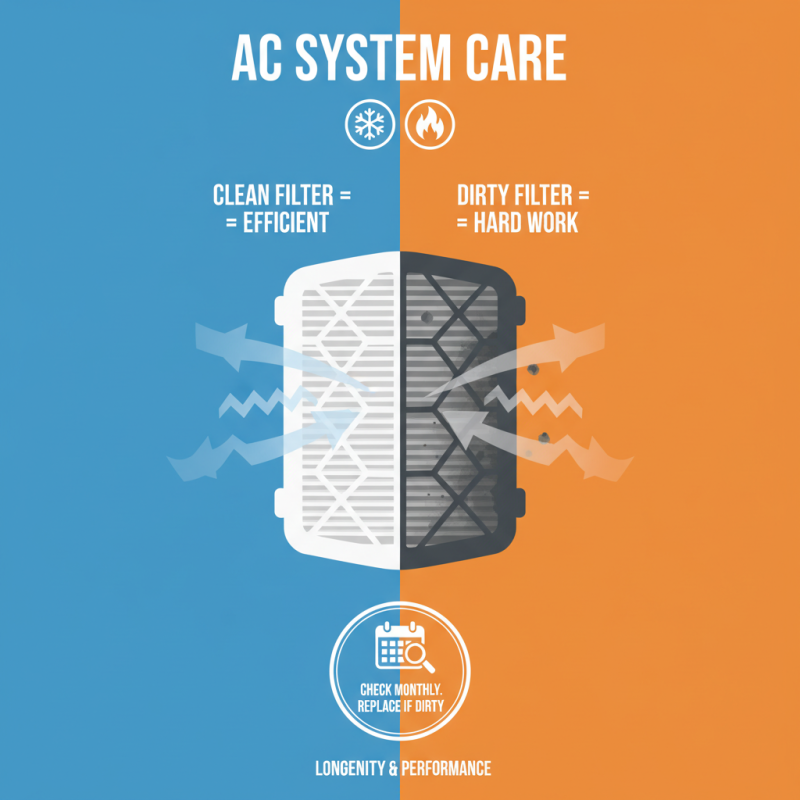
The lack of maintenance can also shorten the lifespan of your system. A study found that systems without regular service could fail two to three times sooner than well-maintained units. Cleaning or replacing filters regularly is a simple task that can significantly impact air quality and system performance. A dirty filter can restrict airflow, causing your system to work harder.

Many overlook the importance of inspecting coils and fins. Over time, dirt can accumulate, hindering heat absorption and causing the unit to operate inefficiently. An annual inspection is often recommended, but many wait until a problem arises. This response can lead to expensive repairs and discomfort during peak seasons. It's essential to make maintenance a priority for comfort and cost savings.
Key Components to Inspect for Optimal Air Conditioner Performance

How to Maintain Your Air Conditioning System for Optimal Performance?

Maintaining your air conditioning system is crucial for its longevity and efficiency. One critical component to inspect is the air filter. A dirty filter can restrict airflow, making your system work harder. Check the filter monthly and replace it if it looks clogged or dirty. This simple step can enhance performance significantly.

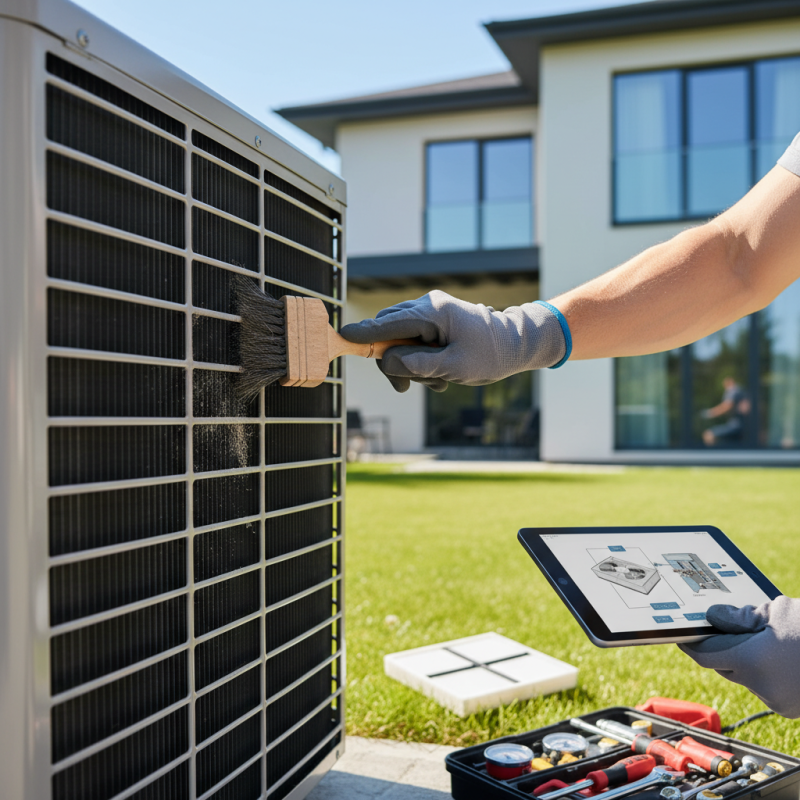
Another essential component is the condenser unit. It's located outside your home. Ensure it's free from debris like leaves and dirt. Over time, this buildup can hinder its operation. Regular cleaning can keep it running smoothly. Additionally, inspect the fan blades for any damage or bending. Broken fans can lead to overheating issues, which may not be apparent immediately.

Don't overlook the refrigerant levels. Low refrigerant can lead to insufficient cooling. If your system struggles to maintain a cool temperature, it might be time to call a professional. Lastly, check the ductwork for any leaks. Small leaks can diminish efficiency. These issues can often go unnoticed but lead to higher energy bills. Regular inspection is key for a well-functioning system.

Step-by-Step Guide to Cleaning Your Air Conditioner

Cleaning your air conditioner is essential for its efficiency. A dirty unit works harder, wasting energy. Start by turning off the power to avoid accidents. Next, remove the front panel to access the filter. If it's clogged with dust, it can hinder airflow. Clean it with warm, soapy water and let it dry completely.

Tips: Keep a checklist for cleaning tasks. Regular maintenance is key to prolonging the lifespan of your unit.

Next, inspect the fins on the evaporator and condenser coils. Use a soft brush to remove debris. Bent fins restrict airflow and can cause overheating. Be gentle here; excessive force could damage them.

Tips: Consider using a garden hose to flush out coils, but avoid harsh chemicals. This won't guarantee perfection but can improve overall performance. Routine maintenance makes a difference. Make it a habit to check your unit regularly, even if it looks fine.

Signs Your Air Conditioning System Needs Professional Attention

Your air conditioning system plays a crucial role in your home comfort. However, there are clear signs indicating that it may need professional attention. If you notice any strange noises coming from the unit, it could be a red flag. Grinding or rattling sounds might indicate loose parts or a malfunction. Don't ignore these warning signs. They often mean that something isn’t functioning as it should.

Another sign to watch for is a decrease in airflow. If your rooms feel warmer than usual, this might signal a problem. Dust and debris can clog filters, limiting airflow. In some cases, the ductwork might also require cleaning. Additionally, if the system frequently cycles on and off, it can indicate an underlying issue. This not only affects performance but may increase energy bills.

An unexpected spike in your energy bill is often a wake-up call. If your utility costs soar without reason, your air conditioning could be struggling. Regular maintenance is essential, but some issues might still slip by unnoticed. It’s important to have a professional inspect the system. Ignoring these signs may lead to larger, more expensive problems down the line. Stay attentive and act when necessary.

Tips for Enhancing Energy Efficiency in Air Conditioning Systems

Proper maintenance of your air conditioning system can significantly enhance energy efficiency. According to the U.S. Department of Energy, regular maintenance can improve efficiency by 5% to 15%. Simple actions such as cleaning or replacing filters monthly help maintain optimal airflow. Dirty filters restrict airflow, leading to inefficient cooling and higher energy usage.

Inspecting the ducts for leaks is crucial. Leaky ducts can waste 20% to 30% of the energy used for cooling. Sealing those leaks can lead to more consistent temperatures and lower bills. A study by Energy Star states that homeowners can save an average of $200 annually by ensuring their ductwork is airtight.

Don't overlook the importance of regular professional inspections. Many homeowners neglect this part. The lack of professional check-ups can lead to unnoticed issues, causing inefficient operation. Investing in an annual tune-up can save money in the long run by preventing system failures and maximizing performance.

Air Conditioning System Maintenance Tips

This chart illustrates the importance of various maintenance tips for your air conditioning system to ensure optimal performance and energy efficiency. Regular maintenance, such as cleaning filters and scheduling professional check-ups, can significantly enhance the longevity and efficiency of your AC system.