Home air conditioning systems play a critical role in modern comfort and health. According to the U.S. Department of Energy, about 87% of U.S. households use air conditioning in their homes. This demonstrates their vital importance, especially during extreme heat events. Dermatologist Dr. Sarah Mitchell states, "A balanced indoor climate protects our skin and overall health."
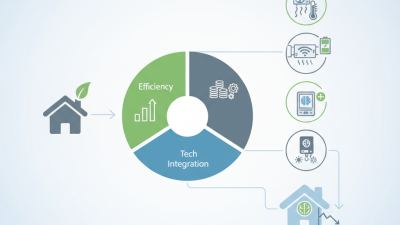
These systems, however, are not without their faults. Approximately 30% of energy used in homes goes toward cooling, according to the American Council for an Energy-Efficient Economy. This raises questions about efficiency and technology. Choosing the right home air conditioning system can be overwhelming, as options vary widely in performance and cost.
Users must also consider seasonal maintenance. Neglecting regular servicing can lead to higher energy costs and reduced lifespan. Balancing comfort and energy efficiency requires careful thought. Understanding how these systems function is key to making informed decisions. Knowledge about features like SEER ratings and ductless systems can streamline your selection process.
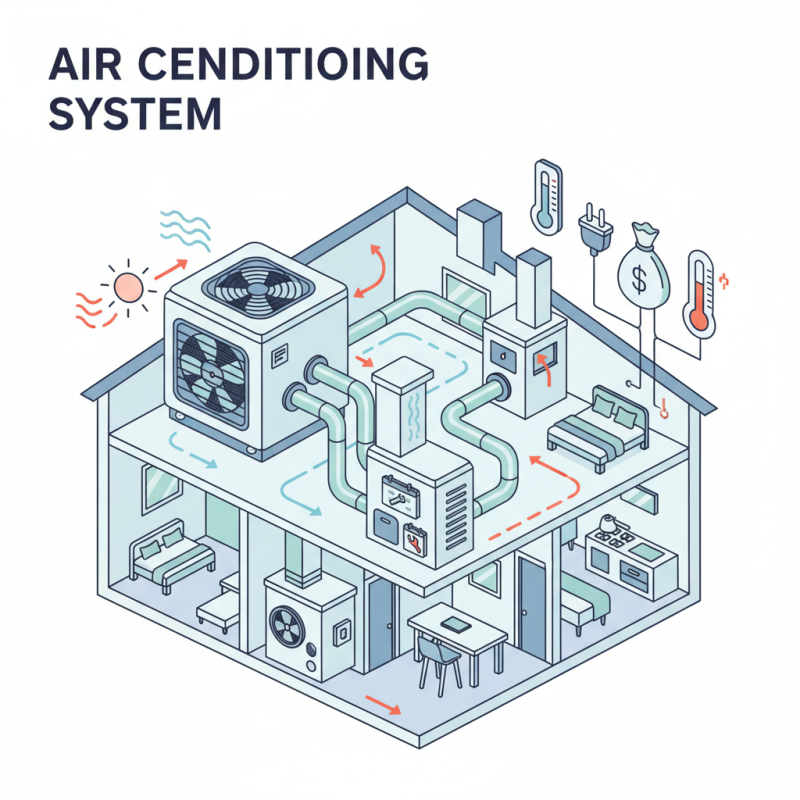
A home air conditioning system cools indoor spaces. It uses refrigerant to absorb heat and humidity. The system typically includes components like a compressor, condenser, and evaporator. Together, they help create a comfortable environment.
Understanding the basics of these systems is crucial. The compressor pushes refrigerant through the system. It converts gas into a high-pressure liquid. This liquid then passes through the condenser, releasing heat outside. The refrigerant next enters the evaporator, where it evaporates and cools the indoor air.
This process is efficient but not flawless. Sometimes, the system struggles to maintain the desired temperature. Dust and debris can build up in filters, hindering airflow. Homeowners should check and clean these filters regularly. Ignoring this can lead to higher energy bills and poor air quality. Regular maintenance ensures the system works correctly and extends its lifespan.
| Component | Function | Common Types |
|---|---|---|
| Compressor | Compresses refrigerant gas and increases its pressure. | Scroll, Reciprocating |
| Evaporator Coil | Absorbs heat from the air inside the home. | Indoor, Direct Expansion |
| Condenser Coil | Releases heat absorbed by the refrigerant outside. | Air-cooled, Water-cooled |
| Expansion Valve | Controls the flow of refrigerant into the evaporator coil. | Thermal, Electric |
| Air Handler | Circulates air through the duct system. | Blower Fan |
| Thermostat | Regulates the temperature by controlling the system. | Programmable, Smart |
An air conditioning system is vital for indoor comfort. Understanding its key components helps in effective maintenance and operation. Primarily, it consists of a compressor, condenser, evaporator, and expansion valve. Each part plays a unique role in cooling your space.
The compressor circulates refrigerant through the system. This process absorbs heat from indoor air and disperses it outside. Reportedly, around 67% of a building's energy usage can be attributed to HVAC systems. A poorly functioning compressor can lead to increased energy costs.
Professional inspections can help identify faults early and save money in the long run. The condenser works to release the absorbed heat outdoors. It contains coils where the refrigerant transforms from gas to liquid. Dust and debris can accumulate on these coils, hindering performance.
The evaporator, located indoors, cools the air by absorbing heat. Regular maintenance is crucial, as a dirty evaporator coil can reduce efficiency by up to 30%. Ignoring these components may lead to higher energy bills and less effective cooling. Regular check-ups can prevent these issues.
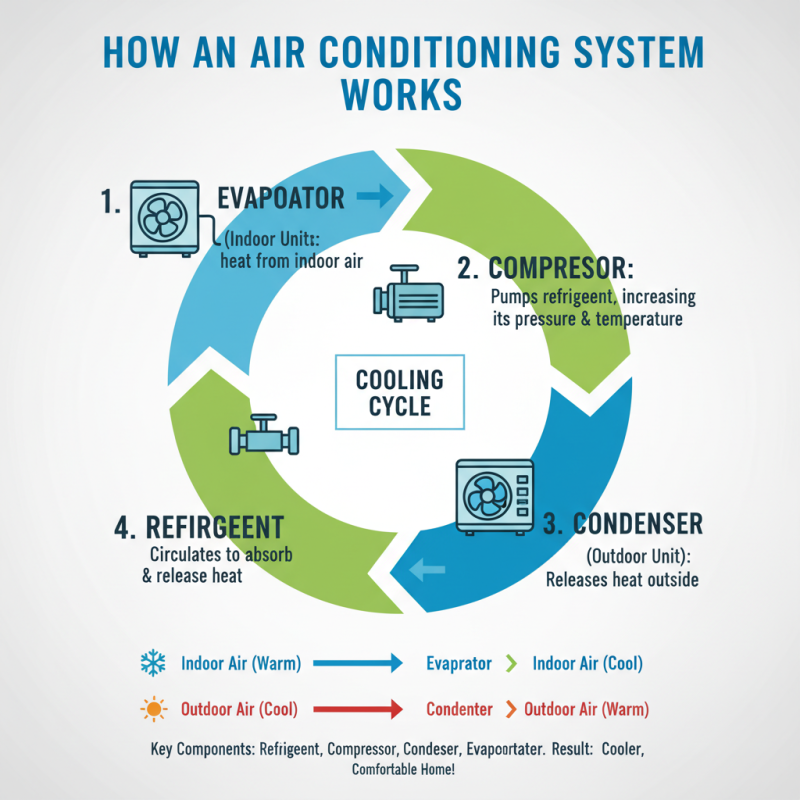
Air conditioning systems play a crucial role in maintaining indoor comfort. These systems work by removing heat from the air inside your home and transferring it outside. The main components include a refrigerant, compressor, condenser, and evaporator. This process ensures your living space remains cool, especially during summer months.
When the air conditioner is turned on, the refrigerant absorbs heat from the indoor air. It then moves to the compressor, where it is pressurized. This increase in pressure raises the refrigerant temperature. The hot refrigerant travels to the condenser outside the home, where it releases heat into the environment. It cools down and returns to the evaporator to repeat the cycle.
While air conditioning appears straightforward, inefficiencies can arise. Filters can become clogged, reducing airflow. Regular maintenance is often overlooked, leading to unexpected breakdowns. It's essential to check these components regularly to ensure optimal performance. Recognizing these small details can make a big difference in the efficiency of your air conditioning system.
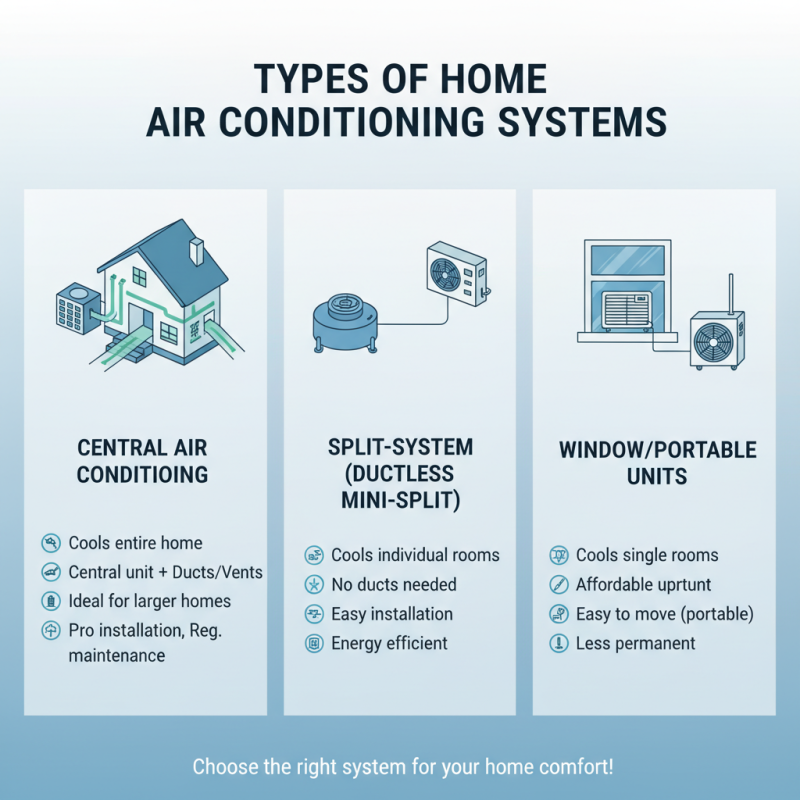
Home air conditioning systems come in various types, each designed to meet specific needs. Central air conditioning is common in larger homes. It cools the entire house from a central unit. Ducts distribute the cool air through vents in each room. This type often requires professional installation and regular maintenance for optimal performance.
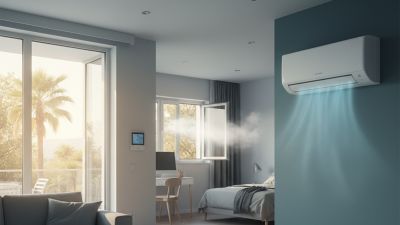
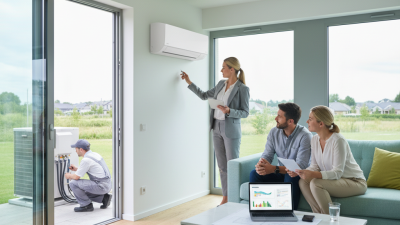
Another popular option is the ductless mini-split system. This system consists of an outdoor compressor and one or more indoor units. They are ideal for homes without existing ductwork. Mini-splits are easier to install and can be more energy-efficient. However, they might be more costly upfront, which can discourage some homeowners.
Window units offer a budget-friendly solution for smaller spaces. These compact systems cool single rooms effectively. They are easy to install and remove, but they can be noisy. Additionally, they require adequate sealing to prevent energy loss. Homeowners should weigh their options carefully based on space, budget, and cooling needs.
Maintaining your home air conditioning system is crucial for optimal performance. Clean or replace filters regularly. This simple task can greatly improve air quality. A clogged filter forces the system to work harder, leading to higher energy bills and reduced efficiency. Neglecting this step may result in unexpected breakdowns.
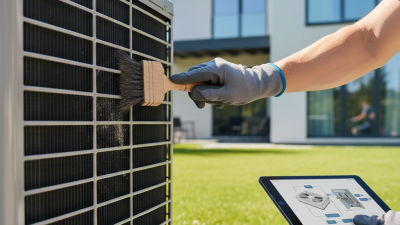
Check the outdoor unit for debris. Leaves, dirt, and other materials can obstruct airflow. Clear any obstacles around the unit to ensure proper operation. Inspect the fins for damage. Bent fins reduce efficiency and must be straightened gently with a fin comb. Regular inspections help catch small issues before they escalate, saving money in the long run.
Consider scheduling professional maintenance at least once a year. Technicians can perform thorough cleaning and identify issues you might miss. Their expertise is valuable. Sometimes, DIY efforts may not suffice. Don't hesitate to seek assistance when needed. Maintaining your air conditioning system takes effort, but the benefits are worth it.