How to Choose the Right Domestic Air Conditioning Installation?

Choosing the right domestic air conditioning installation is crucial for comfort and energy efficiency. Many homeowners feel overwhelmed by the options available. With so much information, it is easy to make mistakes. Selecting the right system impacts both your indoor climate and your electricity bills.

Investing in a quality air conditioning installation means considering several factors. First, understanding your space's size is vital. A system too big can waste energy. One that is too small may struggle to cool effectively. Also, consider the brand's reputation. Reliable brands often offer better service and support.

It’s important to hire experienced professionals for installation. Their expertise can prevent installation flaws that could lead to costly repairs later. Take time to compare quotes and read reviews. A well-chosen air conditioning system will enhance your home's comfort.
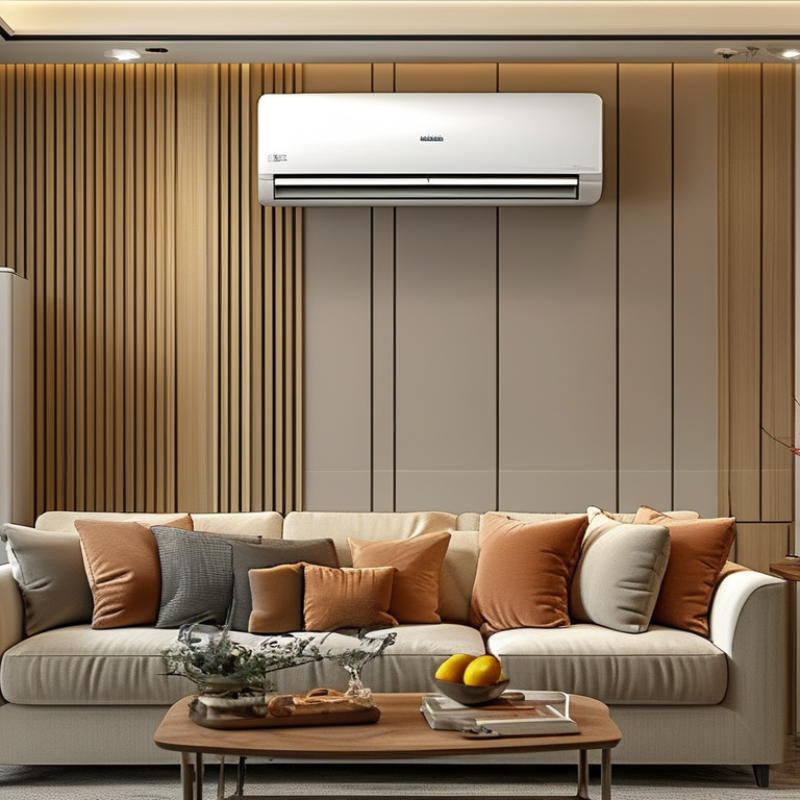
How to Choose the Right Domestic Air Conditioning Installation?

Understanding Different Types of Air Conditioning Systems Available

Choosing the right air conditioning system requires understanding the options available. Each type of system caters to different needs. Central air conditioning units are efficient for whole-house cooling. They maintain consistent temperatures but require ductwork. This might not suit all homes, especially older ones lacking ducts.

Ductless mini-split systems are versatile. They allow for zone cooling, which saves energy. Installation is less invasive, but they can be costly upfront. Window units are budget-friendly and easy to install. However, they may not cool large spaces effectively.

Keep your home’s layout in mind. Some systems might not fit well in your space. DIY installations could lead to inefficiencies. Research local climate conditions, too. They impact system performance. Always weigh the pros and cons of each option carefully.

How to Choose the Right Domestic Air Conditioning Installation?

Type of System Description Energy Efficiency Rating (SEER) Ideal Room Size Installation Cost (Approx.)
Central Air Conditioning A system that cools air at a centralized location and distributes it throughout the home via ducts. 14-22 1,500 - 2,500 sq. ft. $3,000 - $7,000
Ductless Mini-Split An energy-efficient option that allows control of temperatures in individual rooms without ductwork. 16-30 300 - 1,200 sq. ft. per unit $2,000 - $5,000 per zone
Window Air Conditioner A compact unit installed in a window to cool a single room. 8-12 Up to 1,000 sq. ft. $150 - $800
Portable Air Conditioner A standalone unit that can be moved from room to room and requires no permanent installation. 8-12 Up to 600 sq. ft. $250 - $1,000

Evaluating Your Home's Cooling Needs and Space Requirements

When choosing air conditioning for your home, understanding your cooling needs is crucial. Start by considering the size of your space. Measure the square footage of each room. A small room requires less cooling power than an open-concept layout. Don’t overlook factors like ceiling height and window sizes. These elements influence how much heat enters your home during the day.

Next, assess the number of occupants. More people generate more heat, increasing cooling demands. If your home has many windows, consider their orientation. South-facing windows collect more sunlight. Thus, they might need additional cooling support.

Think about your lifestyle, too. If you work from home, maintaining a comfortable temperature is essential. Evaluate how sun exposure affects your rooms at different times. Lastly, reflect on the long-term efficiency of the system. An investment now can save money later. Balancing immediate needs with future considerations can be tricky, but it's vital for selecting the right air conditioning solution.

Factors to Consider When Choosing an Air Conditioning Unit

When selecting the right air conditioning unit, several factors influence your decision. Energy efficiency is crucial. According to the U.S. Department of Energy, air conditioning accounts for about 6% of total energy use in the U.S. Choosing a unit with a high Seasonal Energy Efficiency Ratio (SEER) can substantially reduce electricity bills. Opt for a model with a SEER rating of at least 14 for better efficiency.

Another important aspect is the size of the unit. An improperly sized air conditioner can lead to inefficiency and increased costs. A small unit will struggle to cool a large room, while a large one may cool too quickly, not removing humidity effectively. The rule of thumb is to have 20 BTUs per square foot of living space. However, this may vary depending on factors like ceiling height and insulation quality.

**Tip:** Always consult a professional for a proper assessment. They can evaluate your home and recommend a suitable size.

Additionally, indoor air quality should not be overlooked. Air conditioners serve as filters. They can remove dust, allergens, and pollutants. Choose a unit with advanced filtration systems for healthier indoor air. Advanced models may come with HEPA filters or UV light technology. This could greatly improve your home's air quality, a vital consideration for families with allergies.

**Tip:** Regular maintenance is key to unit longevity. Schedule professional inspections to ensure everything runs smoothly.

The Importance of Professional Installation and What to Expect

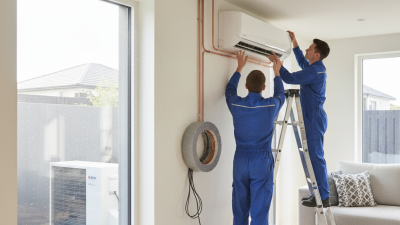
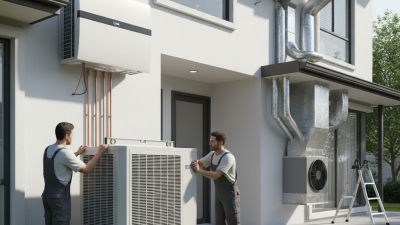
When installing a domestic air conditioning system, professional installation is crucial. Studies show that 70% of residential HVAC issues stem from improper installation. Skilled technicians ensure that units are placed correctly and efficiently. They have the expertise to assess your home’s unique needs, considering factors like square footage and layout. This tailored approach significantly affects energy efficiency and overall comfort.

A well-installed system can reduce energy costs by up to 30%. However, improper installation can lead to frequent repairs and lower lifespan. It’s not just about having the right equipment; it’s about having the right people to install it. Homeowners often overlook the importance of credentials. Verified professionals usually have certifications from recognized industry bodies. This acts as a reassurance of their skill level and commitment.

Additionally, communication during installation is vital. Technicians should explain each step, ensuring you understand how to operate the system. Poor communication can lead to misunderstandings about maintenance and usage. Many do-it-yourself enthusiasts underestimate this aspect. In the long run, the investment in professional installation pays off, ensuring reliability and extending the lifespan of your air conditioning system.

Maintenance Tips for Ensuring Efficiency and Longevity of Your System

Regular maintenance of air conditioning systems can significantly enhance their efficiency. According to the U.S. Department of Energy, proper maintenance can improve energy efficiency by up to 15%. Simple tasks like changing filters can make a notable difference. Dirty filters restrict airflow, leading to higher energy consumption. Checking and replacing filters every one to three months is essential for optimal performance.

Here are some expert recommendations. The Air Conditioning Contractors of America (ACCA) suggests having a professional inspection at least once a year. This inspection helps detect potential issues early. A comprehensive check includes evaluating refrigerant levels and inspecting electrical connections. Inadequate refrigerant levels can cause systems to overheat, often resulting in costly repairs.

Neglecting maintenance can lead to inefficiencies. A well-maintained system not only lowers energy bills but also prolongs the unit's lifespan. Systems that are not regularly serviced may experience decreased performance after just a few years. Therefore, it's critical to create a maintenance schedule and stick to it. Establishing a routine can prevent costly breakdowns and extend the life of your air conditioning system.