How to Choose the Best Residential Air Conditioning Installation?

Choosing the best residential air conditioning installation is crucial for comfort and energy efficiency in your home. A well-installed system can significantly enhance indoor air quality. It can also help in reducing energy costs over time. However, the selection process can often feel overwhelming. With numerous brands and models available, it’s essential to make informed decisions.

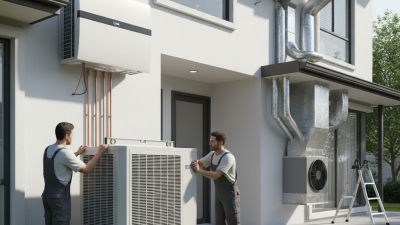
Experience matters in residential air conditioning installation. A qualified technician brings expertise that ensures the system operates effectively. Researching technicians' credentials and customer reviews can provide insight into their reliability. Also, consider their experience with various systems. An expert can guide you through the available options suited to your home.

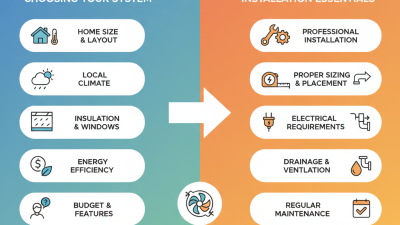
Installation is often overlooked, but it is a critical investment. A poorly installed system may lead to future repair costs and inefficiencies. It's important to reflect on past choices and make adjustments as needed. Ensuring proper sizing, placement, and installation practices can impact your system's longevity and performance. Take the time to explore all available options, embracing the need for quality in your residential air conditioning installation.

How to Choose the Best Residential Air Conditioning Installation?

Understanding Different Types of Residential Air Conditioning Systems

When considering residential air conditioning systems, it’s crucial to understand the key types available. Central air conditioning is popular for whole-house cooling. It uses a system of ducts to distribute cool air evenly throughout. This option is efficient for large homes but may require extensive installation efforts.

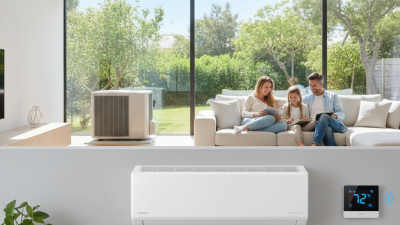
Another option is ductless mini-split systems. They are ideal for homes without existing ductwork. Each unit can be controlled individually. This provides flexibility in cooling different rooms. However, initial costs can be higher than traditional systems.

Window and portable units offer budget-friendly alternatives for smaller spaces. They are easy to install and can be moved when necessary. Yet, they often struggle to cool larger areas effectively. It’s important to reflect on your specific needs and layout before making a choice. The right system can greatly impact comfort and energy bills. Choosing poorly may lead to inefficiencies and increased costs over time.

Identifying Your Home's Cooling Needs and Requirements

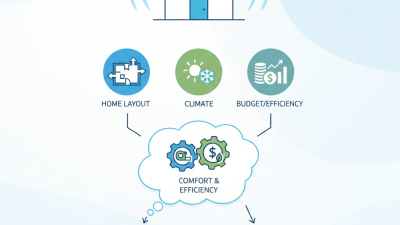
Choosing the right air conditioning system for your home begins with understanding your specific cooling needs. Start by evaluating your living space. Measure the square footage and consider the number of rooms. Larger spaces often require more powerful units. If you have high ceilings, this may also influence your choice. Pay attention to sun exposure as well. Rooms that receive a lot of sunlight will need more cooling power.

Next, think about your family’s lifestyle. Do you often entertain guests? A higher capacity system may suit your needs better. Additionally, consider the insulation of your home. Poorly insulated areas can lead to inefficient cooling, making it crucial to address this first. Sometimes, homeowners overlook the importance of ductwork. Leaky ducts can waste energy and reduce system effectiveness.

Lastly, reflect on your budget. While it can be tempting to go for the cheapest option, consider long-term costs. High-efficiency units may have a higher upfront price but can save you money over time. It’s easy to underestimate the importance of these factors. A well-thought-out installation makes a world of difference in comfort and efficiency. Understanding your home’s requirements will help guide your choice effectively.

Evaluating Air Conditioning Installation Costs and Budgeting

When considering air conditioning installation, budgeting is key. The costs can vary widely based on factors like equipment type and installation complexity. A basic unit may seem affordable, but additional costs could arise. These may include ductwork, electrical upgrades, or permits. Therefore, a clear budget is crucial.

Researching local contractors can provide insights into average costs. Gathering multiple quotes helps you understand your options. Be wary of prices that seem too low; they may indicate subpar service or hidden fees. Always ask about detailed estimates. Transparency in pricing reflects professionalism.

Many homeowners overlook long-term operational costs. While an energy-efficient model may have a higher upfront cost, it can lower utility bills. Consider potential rebates or tax credits when budgeting. They can offset initial expenses. Balancing initial costs with future savings requires careful thought.

Researching and Selecting Reputable HVAC Contractors

When selecting an HVAC contractor, proper research is essential. Start by checking local listings and online reviews. Look for contractors with a strong reputation in your area. Focus on those who have been in business for several years. Longevity often indicates reliability and expertise.

Consider asking for references. Speaking with past clients can provide valuable insights. Ask about their installation experience and any follow-up services. Did the contractor maintain clear communication? Were they punctual and professional? These details can reveal much about their work ethic.

Don't forget to verify certifications. A reputable HVAC contractor should be licensed and insured. This protects you and your property in case of any issues. If a contractor cannot provide this information, it's a red flag. It may indicate a lack of professionalism or knowledge. Always trust your instincts. If something feels off, it’s okay to keep looking. Your comfort is important, and taking the time to research will pay off.

Understanding Warranties and Maintenance Agreements for AC Systems

When selecting a residential air conditioning installation, understanding warranties and maintenance agreements is crucial. Warranties protect your investment. They cover repairs for defects in materials or workmanship. However, many warranties have specific conditions. For example, they may require regular maintenance to remain valid. Not adhering to these terms can void your warranty. It’s essential to read the fine print. You need to know what is covered and what isn’t.

Maintenance agreements are just as important. They usually include regular check-ups and priority service. Having a maintenance plan can help avoid unexpected breakdowns. Some agreements may seem costly at first. Yet, they can save you money in the long run. Routine checks can catch issues early, preventing expensive repairs later. However, be cautious; not all maintenance plans are created equal. Some offer more value while others provide minimal service.

Choosing the right installation means doing your research. Talk to professionals and seek advice. Each unit has unique requirements and not all warranties suit every homeowner’s needs. Understanding these elements can impact your comfort and finances significantly.

Understanding Warranties and Maintenance Agreements for AC Systems