Why Choose Linde Forklift for Your Material Handling Needs?

When it comes to material handling, choosing the right equipment is crucial. Linde Forklift stands out in this competitive market. It combines reliability and innovation. Many businesses depend on Linde for their daily operations. This trust is built on years of experience and a strong reputation.

Linde Forklift offers advanced technology in each unit. Their ergonomic design enhances operator comfort. This factor leads to increased productivity. Moreover, Linde’s robust engineering translates to lower maintenance costs over time. However, some companies may hesitate due to upfront costs. It's essential to weigh these costs against the long-term benefits.

Ultimately, selecting a Linde Forklift means investing in quality. Companies often report fewer breakdowns and downtime. These factors can significantly impact a business's efficiency. Choosing Linde isn't just about options; it's about ensuring reliability in material handling needs.
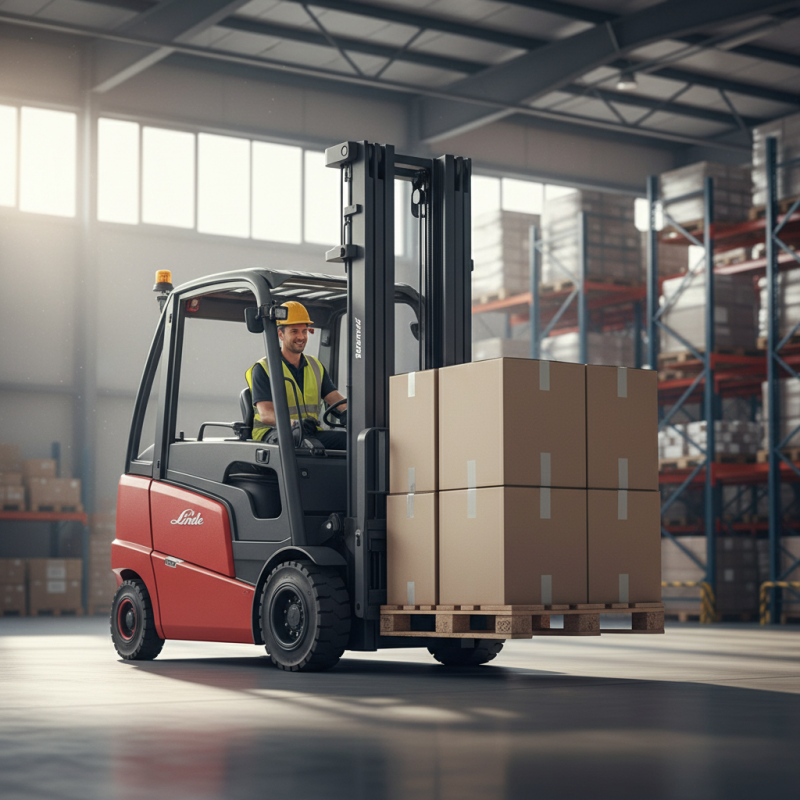
Why Choose Linde Forklift for Your Material Handling Needs?

Advantages of Linde Forklifts in Material Handling Operations

When it comes to material handling, choosing the right equipment is crucial. Linde forklifts stand out for their advanced technology and efficiency. Their ergonomic design improves operator comfort and reduces fatigue. Operators can work longer hours without feeling exhausted, which enhances productivity.

These forklifts are known for their durability and reliability. They can operate in various environments, even in harsh conditions. The robust construction ensures they last longer, cutting down maintenance costs. However, some users may find them heavier than other options, impacting maneuverability in tight spaces.

Safety is another important factor. Linde forklifts come with various safety features designed to protect operators and pedestrians. Features like load stabilization help prevent accidents. Yet, users must remain vigilant and receive proper training. Balancing safety measures with operational demands can be a challenge, but that’s essential for smooth operations.

Innovative Technology and Features of Linde Forklifts

When it comes to material handling, innovative technology plays a crucial role. Advanced forklifts often incorporate features that enhance performance and safety. Many industry experts highlight that approximately 25% of workplace accidents involve forklift-related incidents, emphasizing the importance of cutting-edge safety measures.

Modern forklifts are equipped with sensors, automatic braking systems, and stability control, which significantly reduce such risks.

Lifting capacities and battery technology also matter. Research indicates that electric forklifts can reduce energy costs by 30% compared to traditional fuel types. Moreover, advancements in lithium-ion battery technology allow for quicker charging times. This can lead to increased productivity during shifts. Some models provide up to 8 hours of operation, easily handling extensive workloads without downtime.

Additionally, ergonomics should not be overlooked. Forklifts designed with operator comfort in mind can decrease fatigue and increase efficiency. Reports suggest that a comfortable operator can improve productivity by over 15%. However, some designs may still need adjustments to cater to various body types. Not every model addresses this effectively, highlighting a need for continuous improvement in the sector.

Safety Standards and Ergonomics in Linde Forklift Design

In material handling, safety standards play a pivotal role. Forklifts must meet rigorous safety requirements to ensure operator and workplace safety. Today, modern designs incorporate advanced safety features. These include optimized visibility, improved lighting, and better stability control. It is vital to choose a design that prioritizes these elements.

Ergonomics is equally important in forklift design. Operators spend long hours in these machines. Ensuring comfort is crucial to maintaining productivity. Adjustable seats, intuitive controls, and clear displays significantly enhance the user experience. These features help reduce strain and fatigue, which can lead to accidents.

However, even with superior design, challenges remain. Improper training can still compromise safety, regardless of how advanced the equipment is. Companies must continually emphasize proper operational practices. Regular maintenance checks can also be overlooked, causing potential hazards. Striving for safety and ergonomics requires constant vigilance and improvement.

Linde Forklift Models: Options for Diverse Material Handling Needs

When considering material handling needs, the choice of forklift models can significantly impact efficiency. Different settings require varied capabilities. For example, narrow aisles demand a forklift with compact dimensions while heavy loads require robust lifting capacities.

There are electric models that offer environmental benefits, providing quieter operations and reduced emissions. These are ideal for indoor usage, especially in confined spaces. However, their battery life can impose usage limits, requiring careful planning.

On the other hand, internal combustion models deliver more power and versatility. They excel in outdoor applications, handling uneven terrains. Yet, maintenance can be a drawback, as these forklifts often need regular servicing to ensure reliability. Each model has its strengths and weaknesses, making it essential to evaluate specific operational requirements before deciding.

Material Handling Equipment Comparison

Cost-Effectiveness and Reliability of Linde Forklifts in the Long Run

When considering material handling solutions, cost-effectiveness and reliability are key. Linde forklifts are known for their durability and performance. According to a recent industry report, companies can save up to 20% on operational costs by investing in reliable equipment. This is achieved through reduced maintenance and improved efficiency. Over time, these savings accumulate, making the initial investment worthwhile.

Many operators note that Linde forklifts often require less frequent servicing. This leads to fewer interruptions in workflow. The average lifespan of a well-maintained forklift can exceed 10 years. This long-term reliability lowers replacement costs. In an industry where uptime is critical, such equipment proves its worth.

Tip: Regular maintenance checks can significantly extend the lifespan of your equipment. Investing time in upkeep can lead to long-term savings. Evaluate your choice of equipment against its service history. A forklift that serves you well today might also be an asset in the future, despite higher upfront costs.