Top 5 China Cement Brick Making Machines for Global Buyers?
The demand for quality construction materials has surged globally, highlighting the importance of "China Cement Brick Making" technology. Recognized expert Dr. Lin Wei, a leading figure in this industry, notes, “Innovation in brick making is crucial for sustainability.” This statement underlines the shift towards efficient, eco-friendly production methods.
In recent years, the China Cement Brick Making sector has evolved dramatically. Manufacturers have embraced advanced technology, leading to increased production capabilities. However, buyers must navigate a crowded market with varying quality standards. The challenge lies in identifying reliable machines that ensure durability and efficiency.
Understanding these machines' specifications can greatly influence purchasing decisions. As the industry continues to grow, potential buyers must stay informed about the latest trends. Although there are many options, not all meet the necessary quality benchmarks. Thoughtful consideration is essential for making the right choice in this vital market segment.
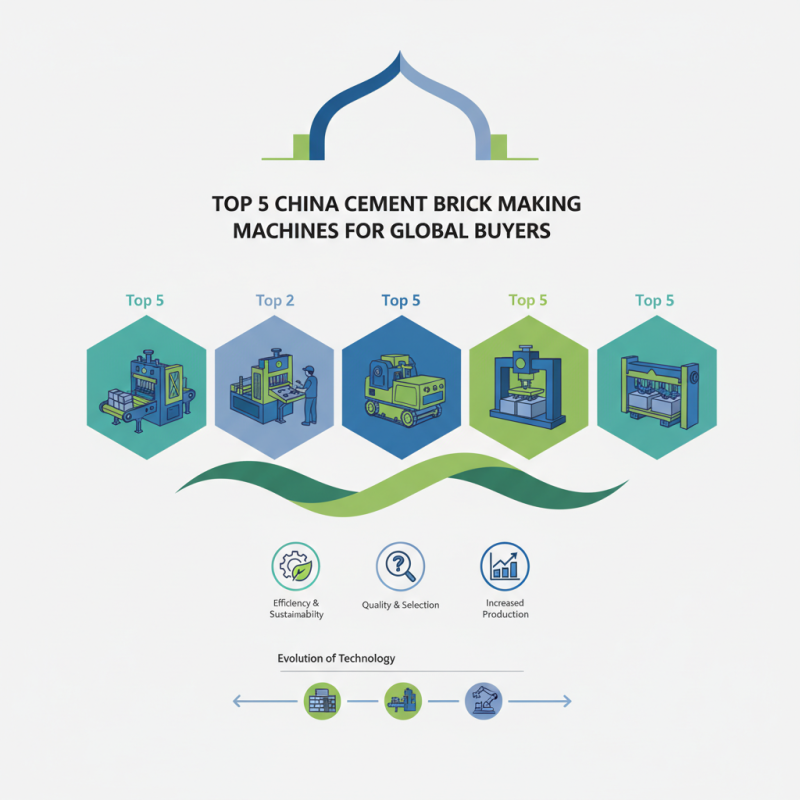
Top Five Factors to Consider in Choosing Cement Brick Making Machines
When selecting a cement brick making machine, buyers should consider several crucial factors. Performance and efficiency are key. A machine that creates high-quality bricks quickly can save both time and resources. Look for machines that have automated features. This can enhance production speed and consistency, reducing labor costs.
Production capacity is another significant aspect. Buyers must assess their project needs. Understanding the daily output required helps in selecting the right machine. It's vital to evaluate the size and layout of the machine. A compact design may be beneficial for limited spaces. However, ensure it meets your output demands.
Tips: Always research machine specifications. Compare capabilities before making a decision. Don't hesitate to seek opinions from other users. Their experiences can reveal strengths and weaknesses you may not have considered.
Additionally, consider the after-sales support provided by manufacturers. Reliable support can save you headaches down the road. Knowing you have help in case of issues is invaluable. Always check warranty options, as well. This reflects the manufacturer's confidence in their product quality. Take your time before committing to a purchase. Rushing may lead to regrettable decisions.
Overview of China’s Cement Brick Industry and Production Volume Statistics
China's cement brick industry has experienced dynamic growth in recent years. Current production volumes highlight this well. In 2022, production reached an impressive 1.5 billion cement bricks. This surge is largely due to urbanization and infrastructure demands. Many regions have embraced cement bricks for their durability and cost-effectiveness.
The market relies on advanced technology and efficient processes. Machine manufacturers are vital for keeping up with demand. The introduction of automated systems has improved production speed. However, challenges remain. Many factories struggle with consistent quality control. Some equipment may not meet international standards, which affects global competitiveness. Buyers seek reliable machines that not only produce effectively but also maintain quality assurance.
Environmental concerns are also on the rise. The cement brick industry contributes significantly to CO2 emissions. This has prompted manufacturers to explore more sustainable practices. While some progress has been made, there is still much to improve. Balancing productivity with sustainability should be a priority for the industry moving forward.
Comparative Analysis of Leading Cement Brick Machine Manufacturers in China
Cement brick making machines are pivotal for the construction sector. Various manufacturers in China excel in this field. These companies offer a range of machines, each with unique features. Comparing them can help buyers make informed decisions.
Performance is a key factor in this comparison. Some machines boast higher production capacity. Others focus on energy efficiency. Buyers need to assess their specific needs. Additionally, after-sales services vary greatly. Some manufacturers provide extensive support, while others leave clients to troubleshoot alone. Quality control is another concern. Inconsistencies in production can lead to negative outcomes.
Investing in cement brick machinery is not without challenges. Prospective buyers should seek expert opinions. Research and reviews can guide choices. However, individual experiences may differ significantly. Learning from past mistakes is crucial for success in this competitive market.
Technical Specifications and Features of Top Cement Brick Making Machines
The cement brick making industry has seen significant advancements in technology, enhancing production efficiency. Modern machines have specifications that cater to varying production scales. For instance, machines with automatic feeding systems increase output capacity to over 1,000 bricks per hour. This is especially valuable in high-demand markets.
Precision is critical in manufacturing. Quality control is emphasized in top cement brick machines. Features such as hydraulic pressure and computer automation ensure uniformity in brick dimensions. Reports indicate that high-pressure systems can reach up to 120 tonnes, producing bricks with superior strength and durability. However, the initial setup cost can be substantial, which is a consideration for new buyers.
Energy efficiency is another critical feature. Modern machines utilize advanced energy-saving technologies. These innovations can reduce operational costs by up to 30%. Despite these benefits, the reliance on electric power can pose challenges in regions with unstable electricity supply. Evaluating the entire operational framework is essential for potential buyers to understand the full implications of their investment.
Cost-Benefit Analysis: Investing in Chinese Cement Brick Equipment for Global Buyers
Investing in Chinese cement brick making machines can offer significant advantages for global buyers. The initial cost of purchasing these machines can be substantial. However, the long-term benefits often justify the investment. Reports indicate that production costs can be reduced by up to 30% compared to traditional methods. This reduction is critical for buyers aiming to optimize their operations.
Moreover, Chinese manufacturing has evolved rapidly. Current machines are more energy-efficient and durable. Industry data suggests that they can produce over 20,000 bricks per day. This high output enables businesses to meet growing market demands effectively. Importantly, buyers should consider the after-sales support provided by manufacturers. A lack of reliable support can turn into unforeseen expenses.
However, not all machines are created equal. Variability in quality can lead to operational challenges. Buyers must thoroughly assess their options. Performing a cost-benefit analysis is essential. It helps identify the right machines that balance efficiency with reliability. Understanding these nuances can lead to informed decisions, ultimately enhancing overall productivity and profitability in the competitive market.