What are the Best Hard Steel Plates for Global Procurement?

In the global manufacturing landscape, the demand for hard steel plates continues to grow. According to a recent market analysis by Allied Market Research, the global steel plate market is expected to reach $178 billion by 2027. Hard steel plates are essential in various industries, including construction, automotive, and heavy machinery. They offer high resistance to wear and tear, making them ideal for demanding applications.

However, not all hard steel plates are created equal. Variability in quality and performance raises questions for procurement professionals. A study by Research and Markets highlights that industries face challenges in sourcing consistent quality products. Buyers must be vigilant about sourcing methods, material specifications, and international standards. Inadequate knowledge can lead to costly mistakes.

As the need for high-performance materials intensifies, it is vital to identify the best hard steel plates available globally. An in-depth understanding of the current market trends and technological advancements is crucial for informed decision-making. Companies must not only evaluate suppliers but also invest in research to ensure their procurement strategies remain effective.
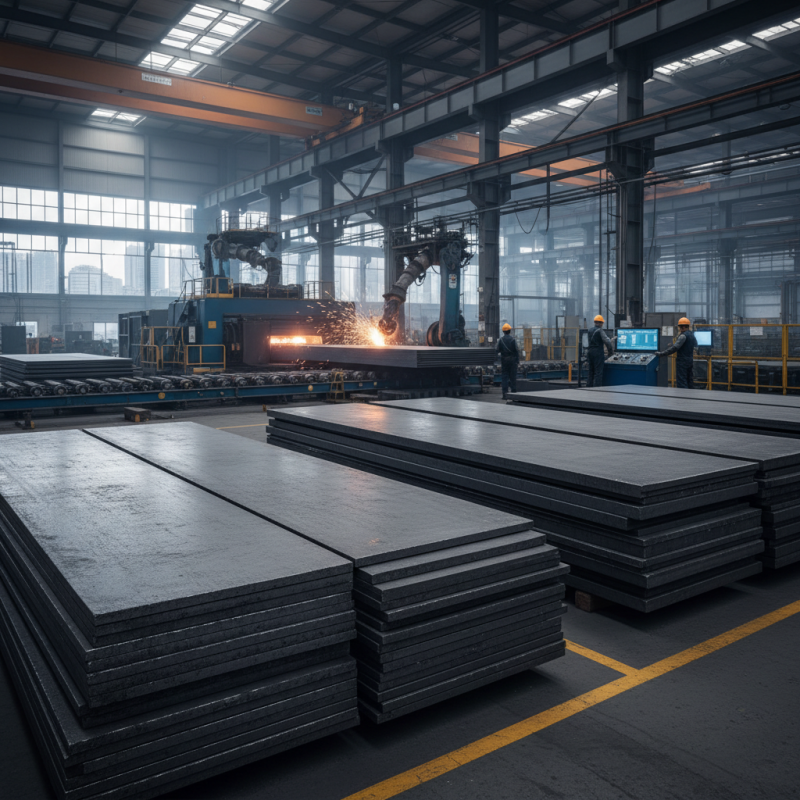
What are the Best Hard Steel Plates for Global Procurement?

Overview of Hard Steel Plates and Their Global Demand

Hard steel plates play a crucial role in various industries. These materials are known for their exceptional hardness and resistance. This makes them suitable for demanding applications like construction and manufacturing. Global demand for hard steel plates has risen. Factors such as infrastructure development and industrial growth drive this increase.

Various markets contribute to the demand for hard steel plates. The automotive sector requires strong materials for vehicle manufacturing. The construction industry also relies on durable plates for structural integrity. However, sourcing these plates can be tricky. Quality varies across suppliers, and not all meet the necessary standards. It's essential to evaluate suppliers carefully to ensure reliability.

The challenge of consistent quality is significant. Buyers need thorough procedures to verify their sources. Testing methods enable transparency in material properties. Additionally, understanding regional availability can streamline procurement. Knowledge of local market dynamics impacts decision-making as well. Awareness of these factors aids in making informed choices in procurement strategies.

Key Properties and Specifications of High-Quality Hard Steel Plates

When selecting hard steel plates for global procurement, key properties matter most. High-quality hard steel should display excellent hardness and wear resistance. A hardness rating of over 50 HRC is common in top-grade plates. This ensures longevity in demanding applications.

Another critical specification is tensile strength. Plates should possess high tensile strength, ideally exceeding 1,000 MPa. This contributes to their ability to withstand heavy loads without deformation. Additionally, the impact toughness should not be overlooked. It’s essential for plates to endure sudden forces without cracking.

Another vital aspect is thickness variation. Consistency in thickness enhances performance and reliability. Plates that exhibit significant variation may lead to unexpected failures. Testing for quality assurance is vital. It ensures that each plate meets rigorous industry standards. Buyers should request certificates and reports before procurement. Missing these details could lead to purchasing subpar materials that compromise project safety and integrity.

Best Hard Steel Plates for Global Procurement

This chart illustrates the tensile strength of different high-quality hard steel plates commonly used in global procurement. The values represent the tensile strength measured in megapascals (MPa), showcasing the durability and performance of each steel grade.

Top Manufacturers and Suppliers of Hard Steel Plates Worldwide

When considering the procurement of hard steel plates, understanding the landscape of global manufacturers and suppliers is crucial. Hard steel plates are vital for various industries, including construction and manufacturing. Companies seek durability and strength in these materials, which can withstand extreme conditions.

Top manufacturers often focus on advanced metallurgical techniques to produce high-quality hard steel plates. They deploy innovative production processes, ensuring consistent thickness and hardness. Many suppliers use state-of-the-art technology for testing and quality assurance. This meticulous approach guarantees that the plates meet industry standards. However, some may struggle with supply chain disruptions. This can lead to delays in obtaining essential materials.

It’s essential to evaluate suppliers based on their reputation and reliability. Some manufacturers consistently outperform others in quality and customer service. However, not all companies maintain the same standards. Discrepancies can occur in production runs, leading to variability. Buyers should research extensively, aiming for transparency in sourcing and pricing. Engaging with multiple suppliers can also foster competitive pricing and reliable delivery timelines in an ever-evolving market.

Applications and Industries Utilizing Hard Steel Plates

Hard steel plates are essential in various industries due to their durability and strength. They are widely utilized in construction, mining, and defense applications. For instance, in construction, hard steel plates are used for structural components in buildings. They enhance the safety and longevity of infrastructures. In the mining sector, these plates protect machinery from wear and tear, significantly extending equipment lifespan.

According to recent industry reports, demand for hard steel plates in construction has increased by 15% over the past two years. This growth reflects the rising trends in urban development worldwide. Hard steel plates are also critical in the automotive industry. They provide safety solutions in vehicle manufacturing, reinforcing parts prone to impact.

Tip: When selecting hard steel plates, consider the specific application requirements. Different environments may demand varying hardness levels and thicknesses. Additionally, the correct plate can improve overall efficiency and reduce long-term costs.

Some challenges exist in the procurement process. Sourcing hard steel plates can be complex due to fluctuating prices and supply chain issues. Companies may find themselves facing delays or increased costs. Careful planning and supplier relationships are essential for a seamless procurement experience.

What are the Best Hard Steel Plates for Global Procurement? - Applications and Industries Utilizing Hard Steel Plates

Material Type Hardness (HRC) Thickness (mm) Common Applications Industries
A36 Steel 60 6 Construction, Fabrication Construction, Steel Manufacturing
Hardened Steel 4140 32-36 10 Machinery, Forging Automotive, Aerospace
Wear Resistant Steel (AR400) 40 12 Mining, Construction Equipment Mining, Heavy Industry
High Speed Steel (M2) 62-64 5 Cutting Tools, Molds Manufacturing, Tooling
Tool Steel (D2) 58-62 8 Die Making, Injection Molds Aerospace, Automotive

Guidelines for Global Procurement of Hard Steel Plates

When considering global procurement of hard steel plates, understanding material specifications is crucial. The industry often references hard steel plates with a Brinell hardness of at least 450 HB. This range is essential for applications in construction, military, and heavy machinery. Various reports indicate that steel plates with higher hardness levels demonstrate better resistance to wear and tear, translating to longer service life and lower replacement costs.

One should assess the source and quality of hard steel plates before making procurement decisions. Key factors include the manufacturing process and certification standards. Steel plates must meet defined specifications to ensure optimal performance in their intended applications. The latest studies show that improper sourcing could lead to a 20% increase in overall project costs due to delays and subpar material performance.

Tip: Ensure each supplier provides detailed test results. This documentation can help verify the material's quality and performance.

Also, consider the environmental impact of your procurement choices. While cost savings are important, sustainability should also be part of the conversation. Some suppliers engage in recycling scrap metal for their products. This practice can reduce waste and lower carbon footprints, providing a more responsible procurement approach.