When the sweltering heat of summer arrives, air conditioning becomes an essential lifeline for comfort. However, as we seek refuge in our cool indoor spaces, the demand for energy often skyrockets, leading not only to higher electricity bills but also to environmental concerns. It’s crucial to find ways to optimize our air conditioning systems to save energy while still enjoying a pleasant indoor climate. In this article, we will explore the top 10 air conditioning tips that can help you beat the heat effectively and efficiently.
By implementing these strategies, you can ensure that your air conditioning system operates at its best without unnecessary energy consumption. From simple adjustments like setting the thermostat wisely to more involved measures such as regular maintenance and smart technology integration, each tip is designed to enhance both comfort and efficiency. Join us as we unveil practical solutions to help you stay cool this summer while keeping your energy usage in check.
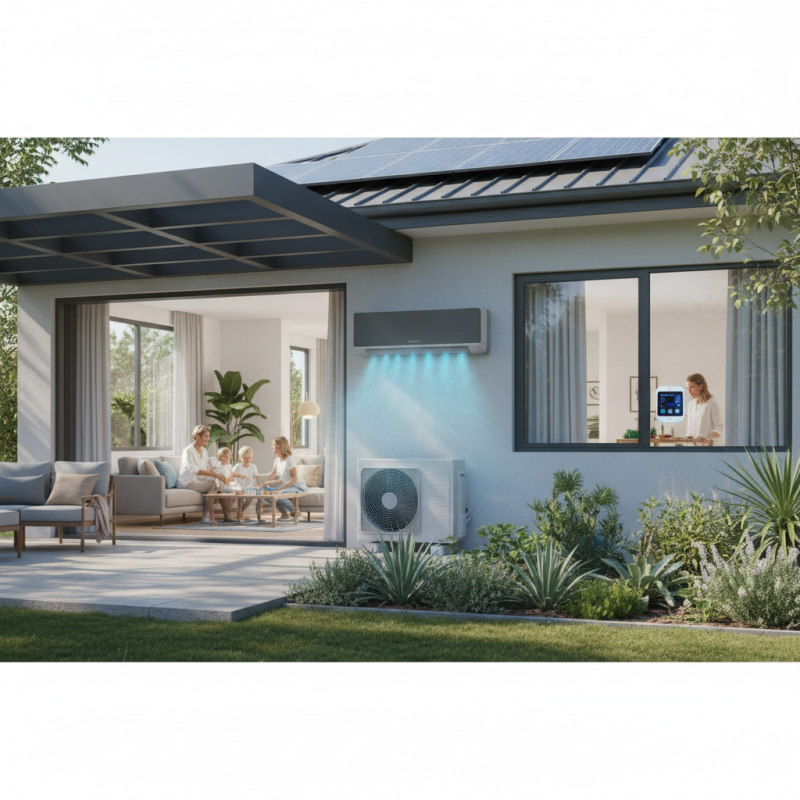
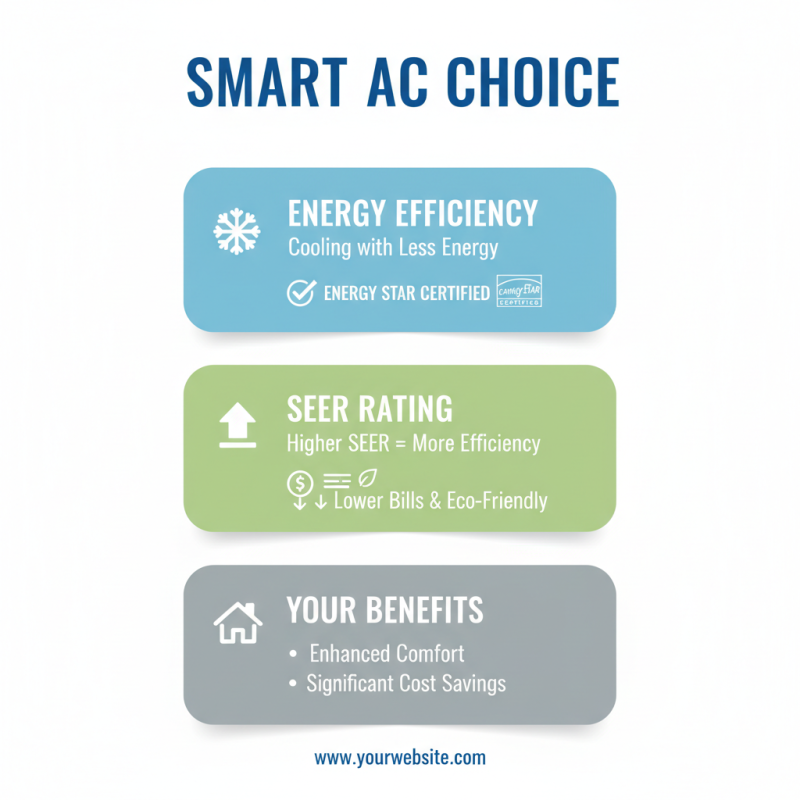
When it comes to air conditioning systems, understanding energy efficiency is crucial for both comfort and cost savings. Energy efficiency refers to the ability of an air conditioning unit to provide cooling using less energy. Units that are ENERGY STAR certified are a great place to start, as they have been rigorously tested to ensure they meet strict efficiency guidelines. Choosing the right SEER (Seasonal Energy Efficiency Ratio) rating is essential; a higher SEER means better energy efficiency, typically translating into lower utility bills and a reduced environmental impact.
Regular maintenance also plays a significant role in enhancing the energy efficiency of air conditioning systems. Simple actions such as cleaning or replacing filters, ensuring proper insulation, and sealing duct leaks can dramatically improve performance. Additionally, investing in a programmable thermostat allows users to optimize cooling schedules, further minimizing energy usage. With these strategies in mind, homeowners can ensure that their air conditioning systems operate efficiently while keeping indoor spaces cool and comfortable during the hottest months.
Adjusting your thermostat settings is one of the most effective ways to save energy while staying cool during the hot summer months. Experts recommend setting your thermostat to 78°F (25.5°C) when you're at home and awake. This temperature strikes a balance between comfort and efficiency, preventing your air conditioning unit from overworking. If you need to leave the house for an extended period, consider raising the temperature by a few degrees; even a small adjustment can lead to significant energy savings.
For even greater efficiency, consider investing in a programmable or smart thermostat. These devices allow you to schedule temperature changes automatically based on your daily routine, ensuring that your home remains comfortable while minimizing energy usage. For example, you can program the thermostat to reduce cooling while you're at work and resume a cooler temperature right before you return home. Additionally, utilizing features like vacation modes can help maintain efficiency when you're away for longer periods, saving money on your energy bills without sacrificing comfort.
| Tip Number | Tip Description | Estimated Savings (%) | Ideal Thermostat Setting (°F) |
|---|---|---|---|
| 1 | Set the thermostat to 78°F when you are home. | 10% | 78 |
| 2 | Increase thermostat by 5°F when you're away. | 15% | 83 |
| 3 | Utilize ceiling fans to circulate air effectively. | 5% | N/A |
| 4 | Keep the blinds closed during the day to reduce heat. | 8% | N/A |
| 5 | Regularly clean or replace air filters. | 10% | N/A |
| 6 | Seal windows and doors to prevent air leaks. | 7% | N/A |
| 7 | Schedule regular maintenance checkups for the AC unit. | 12% | N/A |
| 8 | Use programmable thermostats to set schedules. | 20% | N/A |
| 9 | Avoid using heat-producing appliances during the peak heat hours. | 5% | N/A |
| 10 | Consider upsizing or replacing old air conditioning units. | 25% | N/A |
Regular maintenance is crucial for optimizing the performance of your air conditioning system. One essential tip is to clean or replace air filters every one to three months. Clogged filters can restrict airflow, making your AC work harder and consume more energy. Ensuring that your filters are clean not only enhances efficiency but also improves indoor air quality, contributing to a healthier living environment.
Another important practice is to schedule professional inspections at least once a year. During these checks, technicians can identify potential issues before they escalate into costly repairs. They will examine the refrigerant levels, check for leaks, and ensure that the system's components are functioning efficiently. Taking proactive steps in maintenance can significantly extend the lifespan of your air conditioning unit and keep it running smoothly throughout the hot months.
Additionally, check and clean the outdoor condenser unit regularly. Remove debris such as leaves, dirt, or any other obstructions that can hinder airflow. Ensuring that the condenser is free from clutter allows it to release heat more effectively, which can result in better cooling performance. This small yet impactful maintenance routine contributes to energy savings and keeps your home comfortable even during peak heat.
Utilizing fans and proper ventilation can significantly reduce the reliance on air conditioning systems, leading to substantial energy savings and enhanced comfort during the sweltering summer months. According to the U.S. Department of Energy, strategic use of ceiling fans can lower perceived temperatures by up to 10 degrees Fahrenheit, allowing homeowners to set their air conditioning units a few degrees higher without sacrificing comfort. This simple adjustment can lead to energy savings of about 15% on cooling bills, making fans an effective complement to AC systems.
Moreover, incorporating natural ventilation techniques can further alleviate the load on air conditioning. A study by the Lawrence Berkeley National Laboratory indicates that well-placed windows and passive cooling strategies can enhance airflow and reduce indoor temperatures, resulting in energy savings of up to 50%. By opening windows during cooler evenings and utilizing cross-breeze strategies, homeowners can create a conducive environment that minimizes the need for mechanical cooling. This not only conserves energy but also promotes a healthier indoor atmosphere by allowing fresh air to circulate.
This chart displays the potential energy savings from various air conditioning tips. By utilizing fans and ventilation, you can significantly reduce the load on your AC unit, which can lead to lower energy bills.
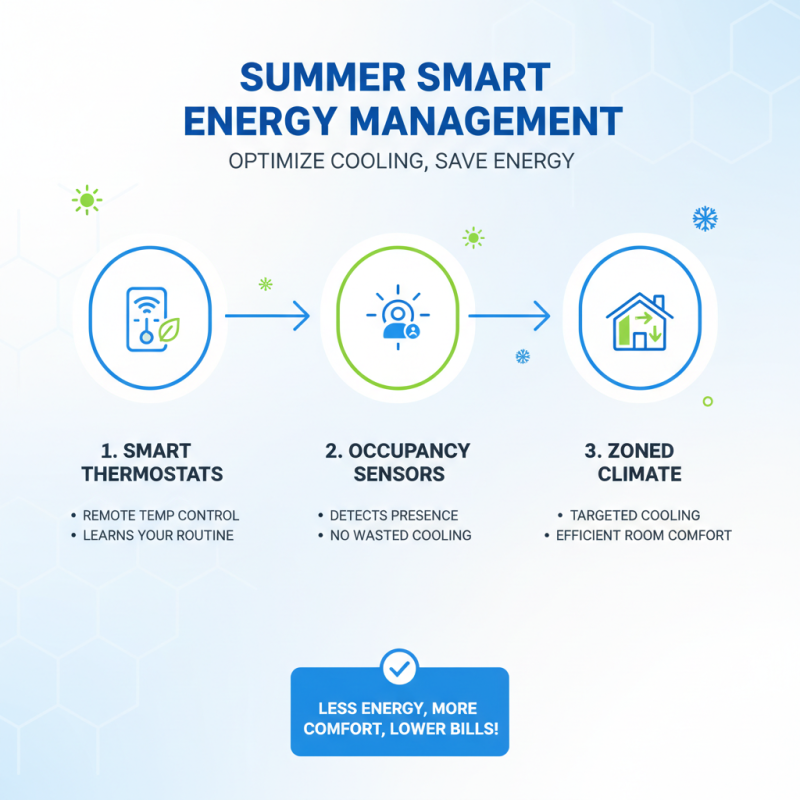
To effectively manage energy consumption during the sweltering summer months, implementing smart technology for energy management is essential. Smart thermostats, for instance, allow homeowners to adjust temperature settings remotely, optimizing cooling schedules based on occupancy patterns. These devices can learn from user preferences over time, meaning they can automatically adjust temperatures when people are home and reduce energy use when they’re away. Additionally, integrating smart sensors can help identify areas of a home that may need more or less cooling, ensuring that energy is not wasted in empty rooms.
Moreover, the use of smart home automation systems can enhance energy efficiency by synchronizing multiple devices. For example, pairing your air conditioning system with smart blinds can significantly reduce indoor temperatures by blocking out direct sunlight during the hottest parts of the day. When combined with real-time energy monitoring apps, these technologies allow users to track their energy usage and make informed decisions that lead to substantial savings. Overall, leveraging smart technology in energy management not only contributes to a cooler home but also promotes a more sustainable and cost-effective approach to air conditioning.