Top 10 Air Conditioning Systems to Beat the Heat in 2023

As global temperatures continue to rise, the demand for effective air conditioning systems has never been more critical. According to the International Energy Agency (IEA), air conditioning accounts for around 10% of global electricity consumption, a figure that is expected to increase as more households seek relief from extreme heat. In 2023, the air conditioning industry has made significant strides, with advancements in technology leading to more efficient units that not only provide cooling but also help reduce energy consumption.

In light of these trends, consumers are now more discerning in their choices, looking for systems that combine performance, energy efficiency, and eco-friendliness. The 2023 data from the American Society of Heating, Refrigerating and Air-Conditioning Engineers (ASHRAE) highlights that modern air conditioning systems are equipped with smart technologies that allow for optimized energy management. This growing emphasis on efficiency and sustainability positions certain models at the forefront of the market.

As we explore the top 10 air conditioning systems to beat the heat in 2023, it is essential to consider both the technological innovations and the environmental impact that these systems have on our planet. Choosing the right air conditioning system not only enhances comfort but also plays a vital role in tackling climate challenges by reducing energy consumption and greenhouse gas emissions.
Top 10 Air Conditioning Systems to Beat the Heat in 2023

Top Energy-Efficient Air Conditioning Systems for Maximum Savings in 2023

As temperatures rise, energy efficiency in air conditioning systems becomes crucial for both comfort and savings. According to the U.S. Department of Energy, air conditioning can account for nearly 12% of your electricity bills, making efficient systems not only a wise choice but a necessary one for the environmentally conscious homeowner. In 2023, the market offers a wide range of energy-efficient models that boast Seasonal Energy Efficiency Ratio (SEER) ratings of 16 and above. These systems can save customers up to 50% on their cooling costs compared to older units.

Tips for maximizing energy efficiency include regular maintenance, such as cleaning filters and ducts to ensure optimal airflow. Additionally, investing in smart thermostats can help manage temperature preferences while reducing energy consumption. These devices allow homeowners to schedule cooling cycles based on occupancy, leading to significant savings over time.

It's also crucial to consider the installation process—poor installation can lead to substantial efficiency losses. Engaging a certified HVAC professional ensures that your system operates at peak performance. By choosing the right energy-efficient air conditioning system and maintaining it correctly, homeowners can enjoy a cool environment while reaping the benefits of lower energy costs.
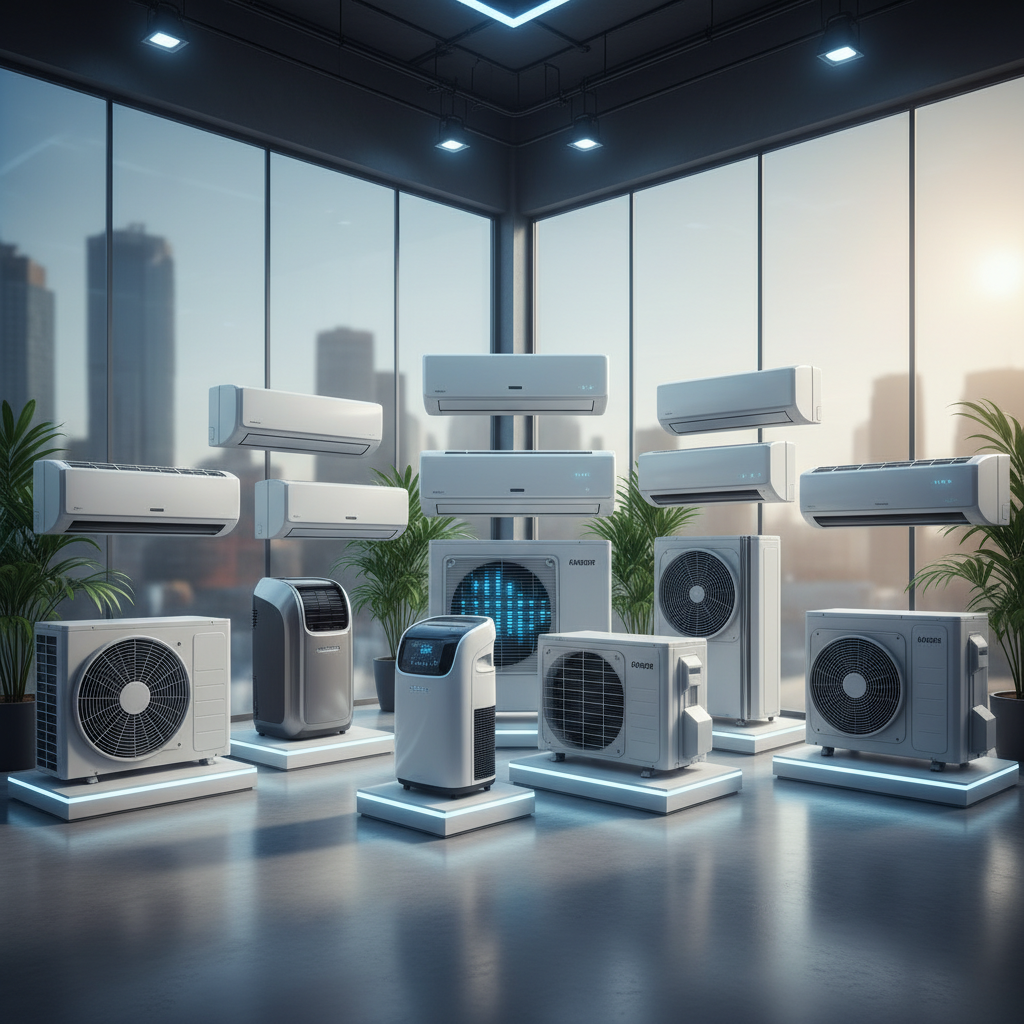
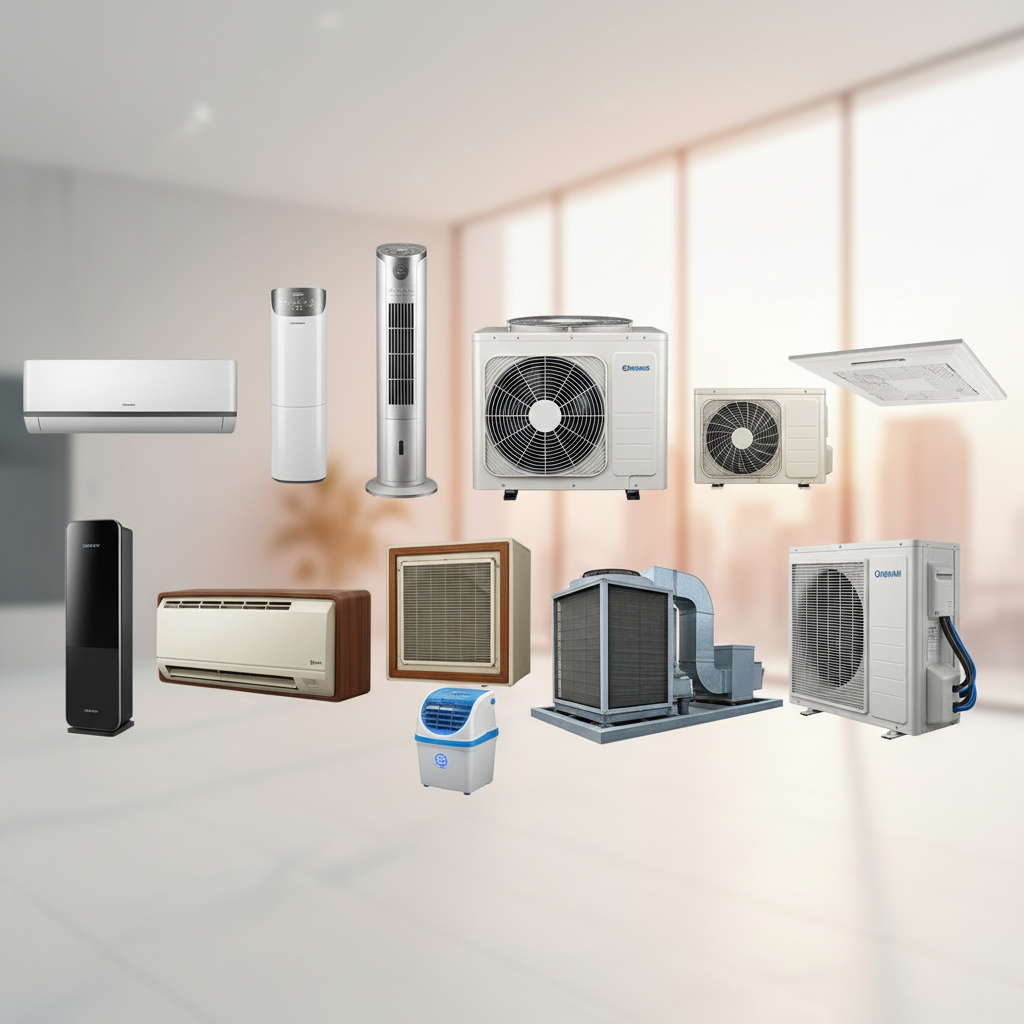
Top 10 Air Conditioning Systems to Beat the Heat in 2023

This chart displays the energy efficiency ratings (SEER) of the top 10 air conditioning systems available in 2023. Higher SEER ratings indicate better energy efficiency, which can lead to lower energy costs and greater savings over time.

Innovative Smart Air Conditioners Transforming Home Cooling Solutions

As the temperatures soar in 2023, innovative smart air conditioning systems are revolutionizing home cooling solutions. Recent studies by the International Energy Agency indicate that smart air conditioners can reduce energy consumption by up to 30% compared to traditional units. This is primarily due to their ability to leverage machine learning algorithms that optimize the cooling schedule based on user patterns and outdoor temperatures. Features such as intelligent climate control allow homeowners to set precise temperatures remotely, ensuring optimal comfort while conserving energy.

Moreover, advancements in smart home integration are enhancing the functionality of air conditioning systems. According to a report by MarketsandMarkets, the smart air conditioning market is projected to grow from $5 billion in 2022 to $25 billion by 2028. This growth is fueled by the increasing adoption of IoT-enabled devices in residential settings. Many modern units not only monitor humidity and air quality but also provide insights through smartphone apps, allowing users to track their energy usage and reduce costs effectively. By choosing a smart air conditioning system, consumers are not only enhancing their home environment but also contributing to sustainable energy practices.

Portable Air Conditioning Units: Flexibility and Convenience for Hot Days

Portable air conditioning units have become a must-have solution for beating the heat, especially during the sweltering summer months of 2023. These versatile appliances offer the perfect blend of flexibility and convenience, allowing users to cool specific rooms without the need for complex installation. With a variety of options available on the market, portable air conditioners are designed to cater to different needs, whether for small apartments or larger spaces.

One of the key advantages of portable air conditioning units is their mobility. Equipped with wheels, they can be easily moved from one room to another, ensuring that you stay cool wherever you are. They also typically feature user-friendly controls, remote access, and energy-efficient settings, making them appropriate for both eco-conscious consumers and those looking to save on energy bills. Additionally, the compact design of these units means they can fit into tight spaces, ensuring that you won't sacrifice aesthetics for comfort. Embracing portable air conditioning means enjoying a personalized cooling experience tailored to your lifestyle.

Top 10 Air Conditioning Systems to Beat the Heat in 2023

Cutting-Edge Technologies in Air Conditioning: What to Expect in 2023

As the air conditioning industry evolves in 2023, technological advancements play a crucial role in addressing both performance and environmental concerns. IoT sensors and AI algorithms are at the forefront of this transformation, enabling real-time monitoring and optimization of HVAC systems. These innovations are not only designed to enhance comfort but also to substantially reduce energy consumption and greenhouse gas emissions. Companies are reporting significant savings, such as a 30% reduction in energy costs due to these cutting-edge technologies.

Top 10 Air Conditioning Systems to Beat the Heat in 2023

The booming HVAC market is indicative of changing consumer behavior, particularly in areas like Bengaluru, where demand for air conditioning units has surged. This shift highlights a broader trend towards sustainability and efficiency, with companies encouraged to develop eco-friendly solutions. The global HVAC equipment market is projected to see remarkable growth, reaching approximately $387.22 billion by 2032, as more consumers and businesses prioritize advanced, energy-efficient systems. The integration of these smart technologies signifies a pivotal moment for the industry, promising a more sustainable and effective approach to cooling in the years to come.

Environmentally Friendly AC Options That Keep You Cool and Sustainable

As temperatures soar in 2023, more people are prioritizing environmentally friendly air conditioning options that not only keep their spaces cool but also contribute to a sustainable future. Modern systems utilize refrigerants with lower global warming potential and are designed for energy efficiency, significantly reducing electricity consumption while maintaining comfort. When choosing an AC unit, consider those that have received certifications for energy efficiency, such as ENERGY STAR, which guarantees lower emissions and higher performance.

Tip: Regular maintenance of your air conditioning unit is crucial for both efficiency and longevity. Clean or replace filters monthly and schedule professional servicing twice a year to ensure optimal operation and prevent unexpected breakdowns.

Another exciting development in sustainable cooling solutions is the integration of smart technology. Smart thermostats allow users to control their HVAC systems remotely, optimizing energy use by adjusting temperatures when the home is unoccupied. Additionally, some options come with built-in sensors that adapt to usage patterns, further enhancing efficiency.

Tip: Invest in solar-powered AC systems if possible. These units can significantly reduce your carbon footprint while utilizing renewable energy sources, making them a smart choice for eco-conscious consumers.