10 Essential Tips for Choosing and Installing Air Conditioning Systems
Choosing the right air conditioning system and ensuring proper installation is crucial for achieving a comfortable indoor environment, especially during hot summer months. With the wide array of options available on the market, from central AC units to portable systems, making an informed decision can significantly impact both energy efficiency and user satisfaction. This guide presents ten essential tips that will aid homeowners in selecting the most suitable air conditioning system for their specific needs, while also providing insightful advice on the installation process.
Effective air conditioning and installation are key components of home climate control. Not only do they contribute to the overall comfort of your living space, but they also influence energy consumption and maintenance costs. Understanding factors such as the size of your home, insulation quality, and local climate conditions can help you make an educated choice. Furthermore, proper installation is essential to maximize the system's efficiency and longevity, preventing avoidable issues that may arise from improper setups. By following the tips outlined in this article, you can navigate the complexities of air conditioning selection and installation with confidence.

Understanding Different Types of Air Conditioning Systems Available
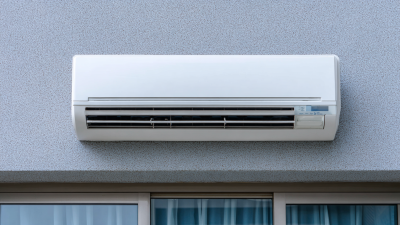
When it comes to choosing an air conditioning system, understanding the different types available is crucial. Central air conditioning systems are a popular choice for entire homes, as they provide consistent cooling through a network of ducts. These systems are efficient and can improve indoor air quality, but they require professional installation and can involve significant upfront costs. Split systems, on the other hand, consist of an outdoor compressor and an indoor unit, making them ideal for homes without existing ductwork. They are often more affordable and easier to install, while still providing effective cooling for individual rooms or smaller spaces.
For those seeking a more portable solution, window air conditioning units and portable air conditioners offer flexibility. Window units are installed in a window opening and are suitable for cooling single rooms, while portable units can be moved from room to room, ensuring that comfort is easily accessible wherever it’s needed. Additionally, mini-split systems provide another versatile option, combining the benefits of both central and split systems. With their ductless design, they allow for targeted cooling in specific zones of a home, which can lead to energy savings. Understanding the pros and cons of each type will help you make an informed decision that best fits your cooling needs and budget.
10 Essential Tips for Choosing and Installing Air Conditioning Systems
| Tip Number |
Tip Description |
System Type |
Energy Efficiency Rating |
Installation Complexity |
| 1 |
Determine the size of the space to be cooled. |
Central Air Conditioning |
SEER 15+ |
Moderate |
| 2 |
Choose between a ducted or ductless system. |
Ductless Mini-Split |
SEER 20+ |
Easy |
| 3 |
Look for features like programmable thermostats. |
Central Air Conditioning |
SEER 16+ |
Moderate |
| 4 |
Assess the installation costs and ongoing maintenance. |
Window Air Conditioning |
EER 11+ |
Easy |
| 5 |
Research the noise levels of each system. |
Portable Air Conditioning |
EER 12+ |
Very Easy |
| 6 |
Consider the location of the outdoor unit. |
Central Air Conditioning |
SEER 14+ |
Moderate |
| 7 |
Verify the warranty and after-sales service. |
Ductless Mini-Split |
SEER 19+ |
Easy |
| 8 |
Check for additional features such as air purifiers. |
Central Air Conditioning |
SEER 18+ |
Moderate |
| 9 |
Understand your local climate and air conditioning needs. |
Ductless Mini-Split |
SEER 20+ |
Easy |
| 10 |
Consult with a professional installer for best practices. |
Various Systems |
Varying SEER Ratings |
Moderate to Complex |
Evaluating the Size and Capacity Requirements for Your Space
When selecting an air conditioning system, understanding the size and capacity requirements for your space is crucial to ensure optimal performance and energy efficiency. Start by calculating the square footage of the area you intend to cool. A general guideline is that you need about 20 British Thermal Units (BTUs) per square foot of living space. However, other factors may influence this number, such as ceiling height, insulation quality, and the number of windows. For instance, rooms with large windows or poor insulation might require a higher BTU rating to adequately cool the space.
Once you have a rough estimate of the BTUs needed, consider the layout and function of the area. For open-plan spaces, where cooled air needs to circulate more freely, you may want to consider a slightly more powerful unit. Additionally, high ceilings may necessitate a system with more capacity to ensure that the cool air reaches the lower levels effectively. Remember to factor in the heat generated by appliances and the number of occupants, as both can affect the cooling requirements. By taking these elements into account, you can select an air conditioning system that not only keeps your environment comfortable but also operates efficiently, reducing both your energy bills and environmental impact.
Energy Efficiency Ratings and Their Importance in Selection
When selecting an air conditioning system, understanding energy efficiency ratings is crucial for making an informed decision. These ratings, such as the Seasonal Energy Efficiency Ratio (SEER) and the Energy Efficiency Ratio (EER), provide insight into how effectively a unit converts electricity into cooling output. A higher rating indicates a more efficient system, which can significantly reduce both your energy consumption and utility bills in the long run.
Choosing an air conditioning system with a good energy efficiency rating not only benefits your wallet but also contributes to environmental sustainability. Systems with higher ratings often utilize advanced technologies, promoting better energy conservation.
During the selection process, it is essential to compare the energy efficiency ratings of different models to ensure that you are investing in a system that will meet your cooling needs while minimizing your carbon footprint. Prioritize systems that offer long-term energy savings without compromising on performance, ensuring a comfortable indoor climate for years to come.
Essential Features to Consider When Choosing an AC Unit
When selecting an air conditioning (AC) unit, several essential features must be considered to ensure optimal efficiency and comfort. Firstly, the cooling capacity, usually measured in British Thermal Units (BTUs), plays a crucial role in determining how well an AC unit can cool a given space. According to the U.S. Department of Energy, an adequately sized unit can deliver a 20°F drop in temperature within a few hours. Oversized units can lead to increased humidity and reduced efficiency, while undersized units struggle to maintain comfortable temperatures.
Another critical factor is energy efficiency, typically represented by the Energy Efficiency Ratio (EER) or Seasonal Energy Efficiency Ratio (SEER). Data from the American Council for an Energy-Efficient Economy indicates that higher SEER ratings can lead to significant savings on energy bills, with units showing a marked efficiency improvement of up to 30% compared to older models. It's also beneficial to look for features such as programmable thermostats and variable-speed fans, which can enhance comfort levels and contribute to reduced operational costs over time. Understanding these features will assist homeowners in making an informed choice and maintaining a comfortable indoor environment.
Step-by-Step Guide to Properly Installing Your Air Conditioning System
When it comes to installing an air conditioning system, following a step-by-step approach ensures efficiency and effectiveness. Begin by assessing your space’s size to determine the appropriate capacity needed for the system. This involves measuring square footage and considering factors such as insulation and window placements, which significantly influence cooling requirements. Once you have a clear understanding of your needs, it’s time to select an air conditioning system that suits both your comfort and energy efficiency goals.
After selecting the right system, prepare for installation by gathering necessary tools and safety equipment. Begin the installation process with the outdoor unit, ensuring it is placed on a stable and level surface away from obstructions. Follow this by connecting the refrigerant lines and ensuring proper sealing to prevent leaks. The indoor unit should be installed according to the manufacturer’s specifications, typically on an interior wall for optimal airflow.
Finally, check all connections, secure the units, and test the system to verify that it cools effectively. Proper installation not only enhances performance but also prolongs the lifespan of your air conditioning unit.