Top Tips for Efficient Residential Air Conditioning Installation in Your Home

Efficient residential air conditioning installation is crucial not only for enhancing home comfort but also for optimizing energy usage and reducing operational costs. According to the U.S. Department of Energy, homeowners can save between 20% to 50% on energy bills if their air conditioning systems are correctly installed and maintained. The installation process is a pivotal factor in ensuring that air conditioning units operate at their maximum efficiency, which leads to lower energy consumption and a reduced carbon footprint.

Moreover, a well-executed residential air conditioning installation can significantly improve indoor air quality, as a properly installed system ensures effective air circulation and filtration. The Energy Information Administration estimates that air conditioning accounts for nearly 6% of all electricity use in the United States, highlighting the importance of installation practices that enhance efficiency and performance. Each component of the installation must be meticulously planned and executed to avoid common pitfalls that can lead to system inefficiencies. By following key best practices during the installation process, homeowners can ensure their systems not only function optimally but also contribute to energy conservation efforts.
Top Tips for Efficient Residential Air Conditioning Installation in Your Home

Understanding the Basics of Residential Air Conditioning Systems
Top Tips for Efficient Residential Air Conditioning Installation in Your Home

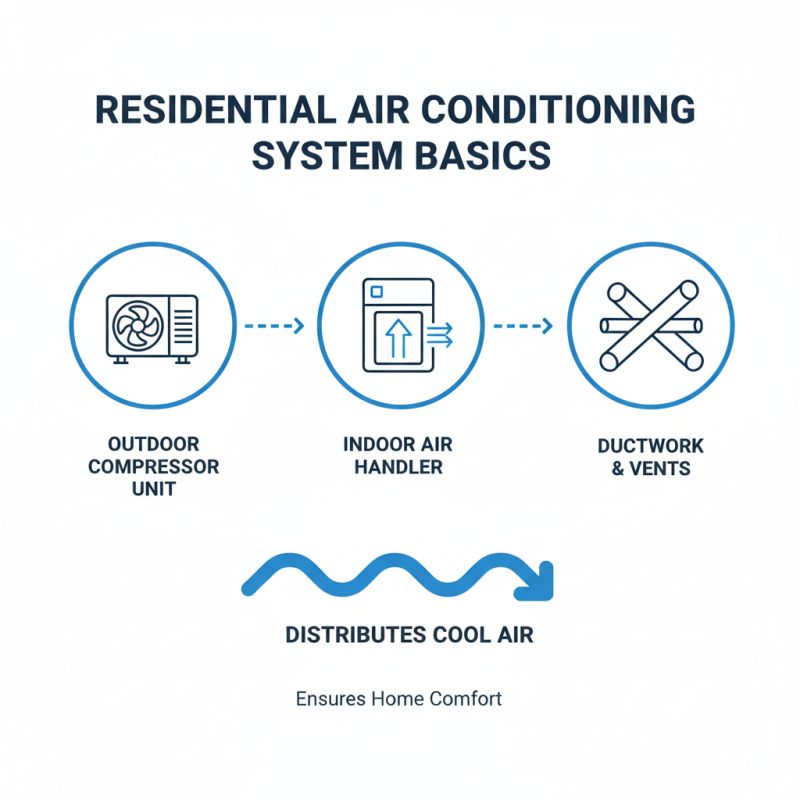
When it comes to understanding the basics of residential air conditioning systems, it's essential to recognize the primary components that make up these units. A typical air conditioning system includes an outdoor compressor unit, an indoor air handler, and a network of ducts that distribute cool air throughout your home. Each part plays a crucial role in ensuring that your living space remains comfortable during the hot months, making it vital to have a fundamental grasp of how they work together.

To achieve an efficient installation of your air conditioning system, consider these tips: First, ensure proper sizing of the unit. An air conditioner that is too small will struggle to cool your home, while one that is too large may cycle on and off frequently, leading to increased energy bills. Second, invest in high-quality insulation and seal any air leaks in your home. This can significantly reduce the demand on your AC system, making it operate more efficiently. Finally, schedule regular maintenance checks to keep your system running smoothly and to catch any potential issues early.

Understanding your air conditioning system's components and following installation tips will not only enhance efficiency but also prolong the life of your unit. By investing time and effort into this foundational knowledge, you set your home up for a comfortable and energy-efficient environment.
Choosing the Right Air Conditioning Unit for Your Home

When it comes to choosing the right air conditioning unit for your home, it is essential to consider several key factors to ensure efficient cooling and comfort. First and foremost, assess the size of your living space. An air conditioning unit that is too small will struggle to cool your home effectively, while an excessively large unit may lead to energy inefficiency and uneven temperatures. To determine the appropriate size, measure the square footage of the areas you wish to cool and consult with a professional on the necessary British Thermal Units (BTUs) needed for optimal performance.

In addition to size, consider the energy efficiency of the air conditioning unit. Look for models with high Seasonal Energy Efficiency Ratio (SEER) ratings, as these units consume less electricity while providing adequate cooling. Investing in energy-efficient systems not only reduces utility bills but also has a positive impact on the environment. Moreover, evaluate the features that align with your lifestyle, such as programmable thermostats, variable-speed fans, and air purifying capabilities, which can enhance the overall indoor air quality and comfort within your home. Making a careful selection considering these aspects will lead to a more comfortable and energy-efficient living space.

Top Tips for Efficient Residential Air Conditioning Installation - Energy Efficiency Ratings

Important Considerations for Air Conditioning Installation Location

When considering the installation of air conditioning in your home, the location is one of the most critical factors to ensure optimal performance and efficiency. First and foremost, it's essential to place the outdoor unit in a location that allows for ample airflow. Avoid areas that are too congested or shaded by trees and buildings, as this can hinder the unit's operation. Ideally, the outdoor unit should be positioned on a sturdy, level surface, and should have at least two feet of clearance on all sides to promote efficient heat exchange.

In addition to the outdoor unit, the placement of the indoor unit is equally important. It should be positioned in a central location to allow for even distribution of cool air throughout the space. Consider placing it higher on a wall, as cool air naturally descends; this placement can help to optimize the circulation of air. Also, avoid installing the unit near heat sources, such as lamps and electronics, as this can lead to inefficient cooling and increased energy consumption. Taking these factors into account will not only enhance the performance of your air conditioning system but also contribute to long-term energy savings.

Top Tips for Efficient Residential Air Conditioning Installation in Your Home

Consideration Details Impact
Location of Outdoor Unit Ensure proper airflow and access for maintenance. Improves efficiency and lifespan of the unit.
Insulation Quality Check insulation of ducts and attic for air leaks. Reduces energy costs and enhances cooling efficiency.
Size of Unit Choose a unit that matches the size of your home. Prevents overworking and uneven cooling.
Shade and Sun Exposure Position the unit in a shaded area if possible. Enhances efficiency by reducing heat absorption.
Professional Installation Hire experienced professionals for the installation. Ensures proper setup and compliance with regulations.
Regular Maintenance Schedule Establish a routine maintenance plan. Prolongs the life of the unit and keeps it running efficiently.

Step-by-Step Guide to Installing Your Air Conditioning Unit

Top Tips for Efficient Residential Air Conditioning Installation in Your Home

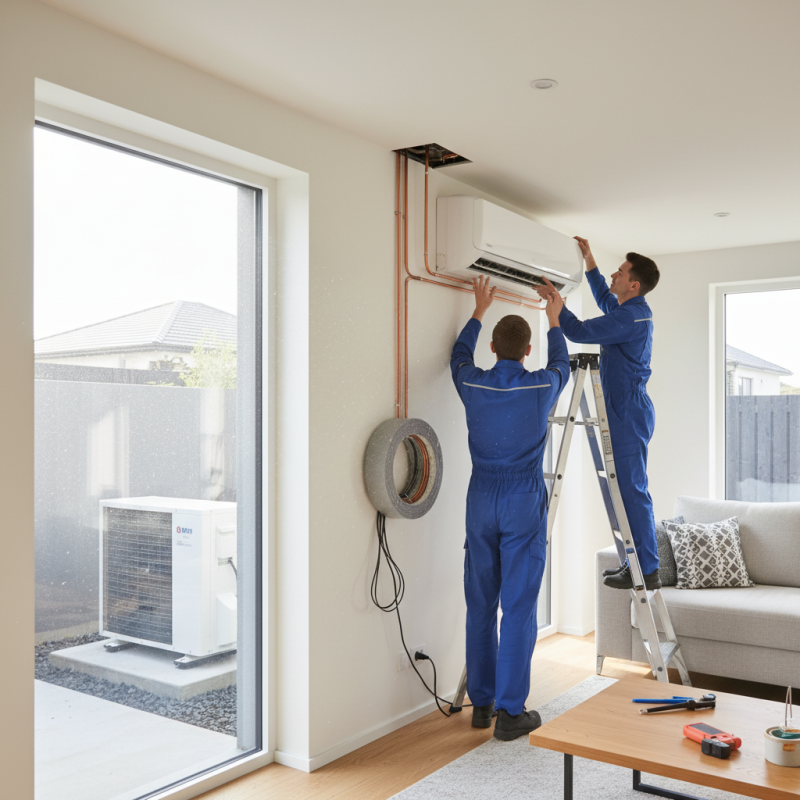
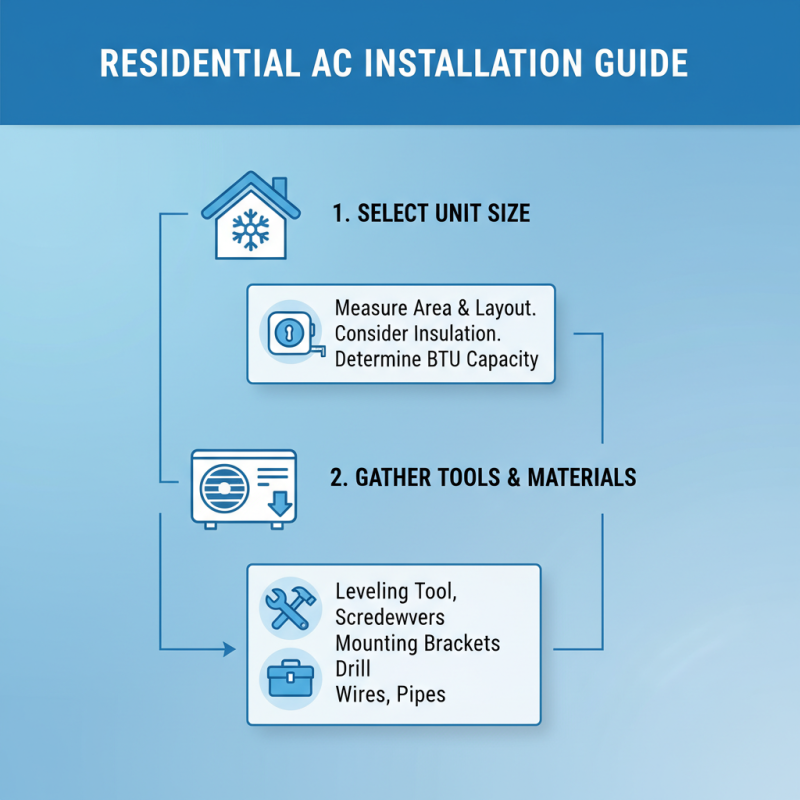
When installing a residential air conditioning unit, a systematic approach can significantly enhance efficiency and effectiveness. Begin by selecting the appropriate unit size for your space, as an oversized or undersized system can lead to inadequate cooling and energy inefficiency. Measure the area you intend to cool and consider the layout, as well as insulation levels, to determine the correct capacity in BTUs. Once you have chosen the right unit, ensure you gather all necessary tools and materials, including a leveling tool, screwdrivers, and mounting brackets.

The installation process typically starts with locating the ideal spot for the air conditioning unit, which should be away from direct sunlight and close to an electrical outlet. If you’re installing a window unit, ensure the window frame is secure. For central air systems, create a clear plan for ductwork and placement of the condenser unit outside. After positioning the unit, connect electrical components according to the manufacturer's guidelines, ensuring all safety protocols are followed. Finally, seal any gaps to prevent air leakage and test the system functionality to confirm proper operation before completing the installation.

Maintenance Tips for Enhanced Air Conditioning Efficiency

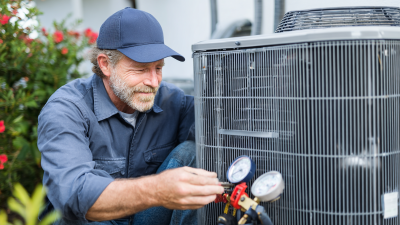
Regular maintenance is essential to enhance the efficiency of your home’s air conditioning system. One of the most effective tips is to schedule annual professional inspections. During these checks, technicians can identify and rectify potential issues before they escalate, ensuring that your system operates at optimal performance. Additionally, changing the air filters regularly is crucial; clogged filters restrict airflow and can result in higher energy bills and reduced cooling efficiency. Aim to replace filters every 1-3 months, especially during peak usage seasons.

Another important aspect of maintenance is keeping the outdoor unit clean. Over time, debris such as leaves, dirt, and dust can accumulate around the unit, hindering its performance. Make sure to clear the area around the air conditioner and wash the fins gently with a hose to remove any buildup. Furthermore, check for any signs of wear on the insulation of the refrigerant lines to maintain energy efficiency. By adhering to these maintenance tips, you will not only enhance the efficiency of your air conditioning system but also prolong its lifespan, allowing you to enjoy a comfortable home environment year-round.