As climate change continues to influence seasonal temperatures, the demand for efficient and effective residential air conditioning systems is at an all-time high. According to the U.S. Department of Energy, air conditioning accounts for approximately 12% of the total energy consumed in homes, highlighting the critical need for homeowners to choose systems that not only provide comfort but also minimize energy usage. In recent years, advancements in technology have introduced a range of options, from traditional central air conditioning units to more innovative solutions like ductless mini-splits and smart cooling systems.
Selecting the best residential air conditioning systems requires careful consideration of factors such as energy efficiency ratings, cost, and the specific cooling needs of your home. The Seasonal Energy Efficiency Ratio (SEER) is a key metric used to assess the efficiency of air conditioning systems, with a higher SEER indicating better energy performance. Reports from the Energy Information Administration (EIA) reveal that homes equipped with high-efficiency systems can save up to 50% on their cooling bills compared to older models. Therefore, understanding the various types of residential air conditioning systems available and their respective benefits is essential for homeowners looking to enhance comfort while also being mindful of their energy consumption and costs.
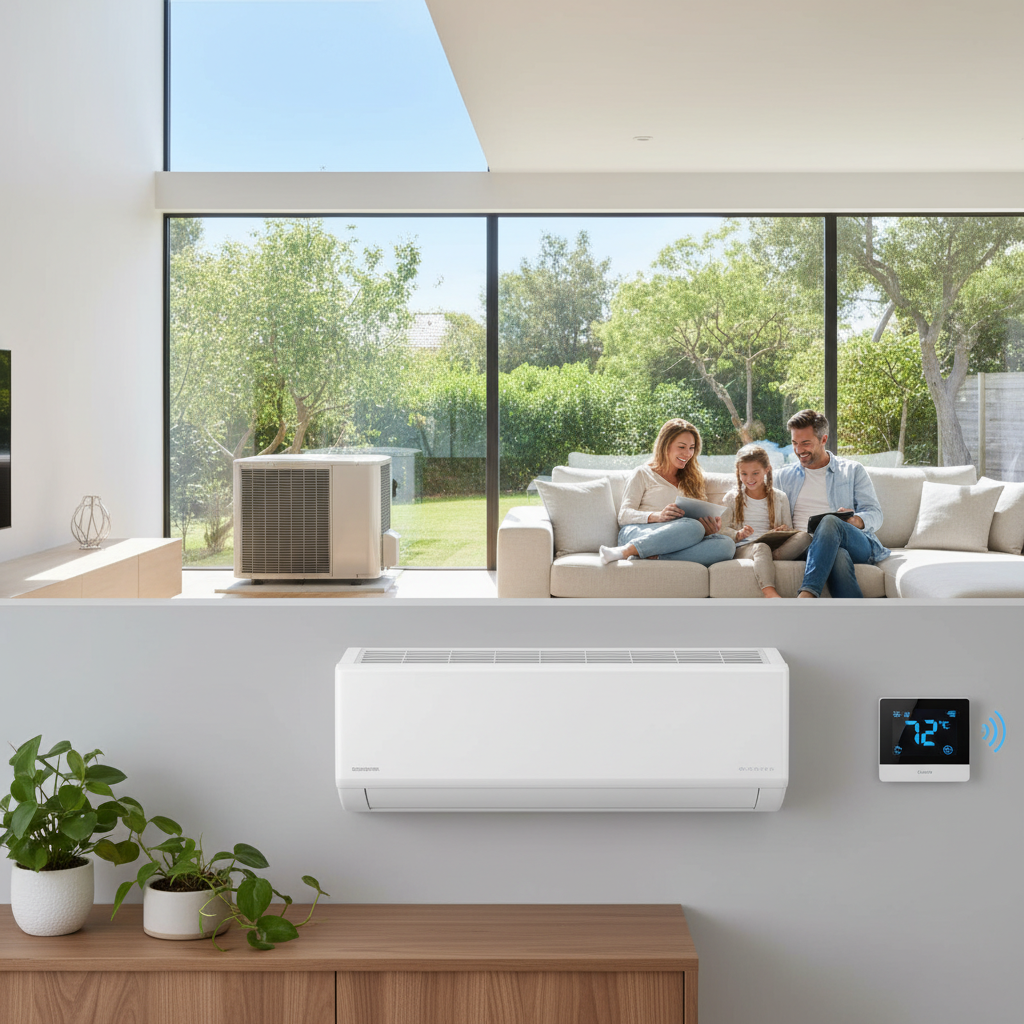
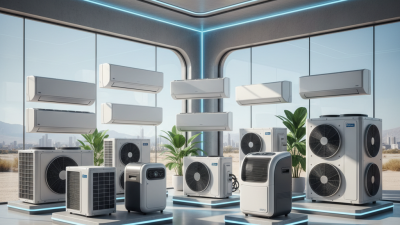
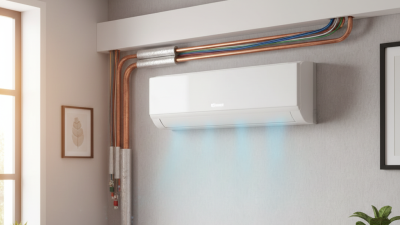
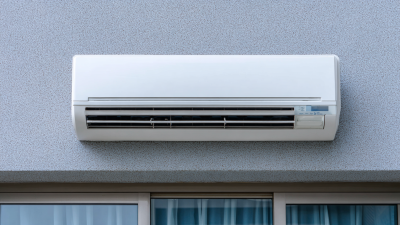
In 2025, homeowners face a variety of options when it comes to residential air conditioning systems, each designed to meet different needs and preferences. The most common types include central air conditioning systems, ductless mini-split systems, and window units. According to the U.S. Department of Energy, central air systems are ideal for larger homes due to their ability to efficiently cool multiple rooms, but they require ductwork, which can be a limitation for some residences. In contrast, ductless mini-split systems offer flexibility and higher energy efficiency, with the potential for savings of up to 30% on cooling bills compared to traditional systems, as highlighted by a report from the Energy Saving Trust.
Moreover, window units remain a popular choice for smaller spaces and are often the most cost-effective solution. The American Council for an Energy-Efficient Economy (ACEEE) notes that energy-efficient models can significantly reduce energy consumption, making them a viable option for budget-conscious homeowners. Ultimately, understanding the differences in cooling technology and energy efficiency ratings will empower homeowners to make informed decisions in 2025, ensuring they select the system that best aligns with their needs while also considering the long-term impact on their energy bills.
When selecting the best residential air conditioning system for your home, understanding energy efficiency ratings is crucial. The Seasonal Energy Efficiency Ratio (SEER) measures the cooling output during a typical cooling season divided by the total electric energy input. A higher SEER rating indicates a more energy-efficient unit, which translates to lower energy bills and a reduced environmental impact. Homeowners should look for systems with a SEER rating of 14 or higher to ensure optimal efficiency.
In addition to SEER, the Energy Efficiency Ratio (EER) and Heating Seasonal Performance Factor (HSPF) also play significant roles in evaluating air conditioning systems. EER measures the cooling efficiency at peak temperatures, providing a clear indication of how the system performs under extreme conditions. For heating efficiency, HSPF quantifies the performance of heat pumps during the heating season, guiding homeowners in choosing a reliable and cost-effective heating solution. By considering these ratings, homeowners can make informed decisions that align with their energy-saving goals and comfort preferences.
When choosing the best residential air conditioning system for your home, several key factors come into play: size, home layout, and climate considerations. First and foremost, the size of the air conditioning unit is critical; it needs to match the square footage of your space to ensure optimal cooling without wasting energy. An oversized unit will cool the air too quickly without removing enough humidity, while an undersized one will struggle to maintain a comfortable temperature, leading to higher energy bills and increased wear on the system.
In addition to size, the layout of your home is essential. Open floor plans may benefit from centralized air conditioning systems, while multi-level homes might require zoning systems to effectively cool different areas. Consideration of the insulation and the number of windows in your home also impacts your air conditioning needs, as these elements influence heat retention and airflow. Lastly, your local climate should not be overlooked; homes in hotter, humid regions typically require more robust systems capable of handling extreme temperatures, whereas areas with milder climates may opt for less powerful units. By taking these factors into account, you can select an air conditioning system that provides comfort and efficiency tailored to your home’s unique needs.
| Key Factor | Details | Impact on Selection |
|---|---|---|
| Size of AC Unit | Measured in BTUs, should match the room size. | Correct sizing ensures efficiency; too small results in inadequate cooling, too large causes short cycling. |
| Home Layout | Open floor plans vs. segmented spaces affect airflow and cooling efficiency. | Affects the type of system needed (central vs. ductless) for optimal air distribution. |
| Local Climate | Region's temperature and humidity levels. | Determines the power and features necessary (e.g., dehumidification). |
| Energy Efficiency | Look for higher SEER ratings. | Higher efficiency results in lower energy bills and a reduced carbon footprint. |
| Noise Levels | Measured in decibels (dB). | Quieter units enhance comfort and suitability for residential areas. |
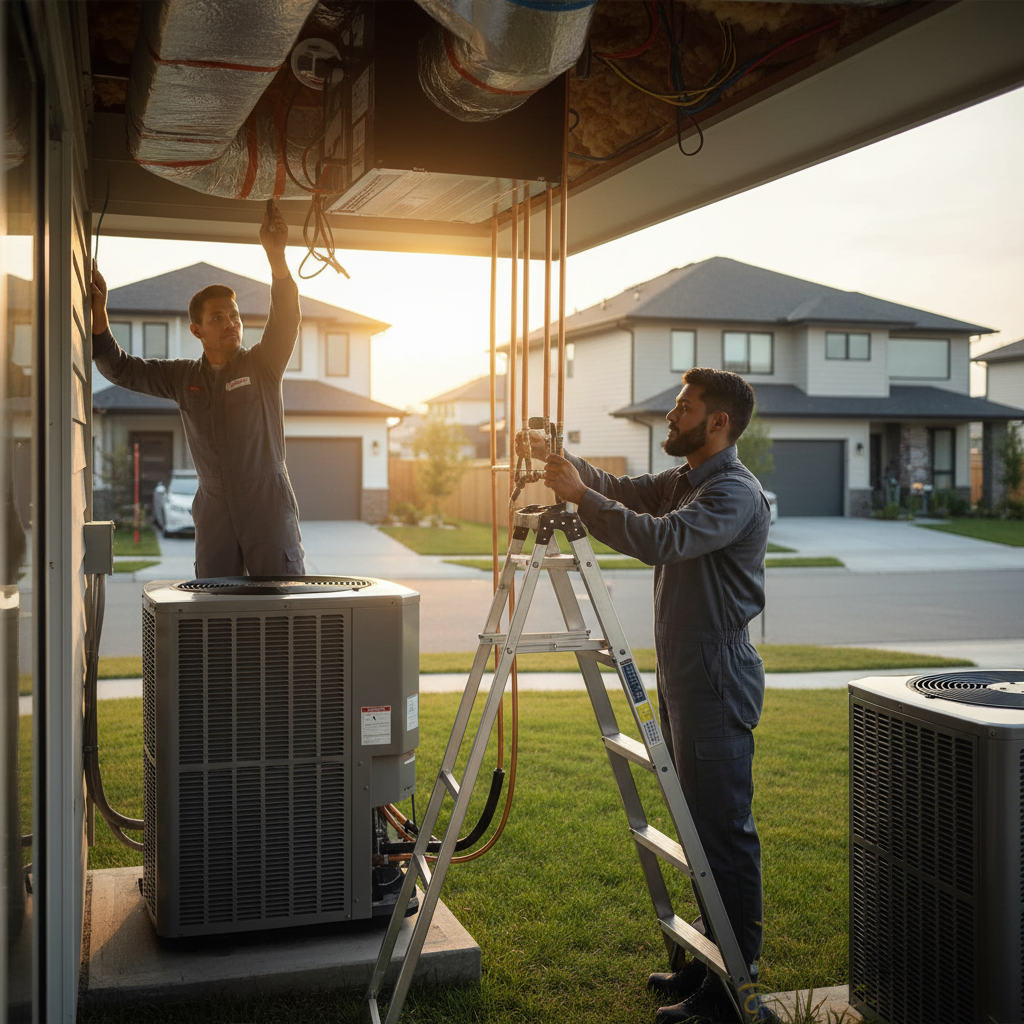
When selecting the best residential air conditioning systems, the importance of installation and maintenance cannot be overstated. Proper installation is crucial for ensuring that the AC unit operates efficiently from the start. A unit that is poorly installed can lead to a myriad of issues, including reduced energy efficiency, uneven cooling, and premature wear and tear. Homeowners should prioritize hiring qualified professionals who can adhere to manufacturer guidelines and local regulations during the installation process.
Furthermore, consistent maintenance plays a pivotal role in extending the lifespan of AC units. Routine inspections and servicing can identify potential problems before they escalate, ensuring optimal performance throughout the cooling season. As the market for advanced systems like Variable Refrigerant Flow (VRF) continues to grow, reaching an expected $284.6 billion by 2028, it is essential for homeowners to be proactive about the care of their air conditioning systems. Regular maintenance not only preserves system efficiency but also enhances indoor air quality, making it an integral part of home comfort.
As we approach 2025, the landscape of residential air conditioning is evolving dramatically, driven by advancements in smart technology and eco-friendly refrigerants.
Smart systems are becoming increasingly popular, allowing homeowners to control their HVAC systems remotely through smartphones or voice-activated devices.
These intelligent systems not only enhance comfort by optimizing temperature settings based on individual preferences, but they also promote energy efficiency, helping to reduce utility bills and environmental impact.
In addition to smart technology, the introduction of eco-friendly refrigerants is transforming the air conditioning market.
Traditional refrigerants often contribute to ozone depletion and global warming, but new alternatives, such as hydrofluoroolefins (HFOs), are designed to minimize these effects.
These refrigerants are not only more environmentally safe but also offer improved energy efficiency, making them a sustainable choice for modern HVAC systems.
As consumers become more conscious of their carbon footprint, opting for systems that utilize these innovative technologies will become a priority for those looking to update their homes in 2025.