Choosing a suitable residential air conditioning system is crucial for ensuring comfort and energy efficiency in modern homes. According to the U.S. Department of Energy, residential air conditioning accounts for nearly 12% of electricity use in the country. As temperatures rise, the demand for effective cooling solutions intensifies, making it essential for homeowners to make informed decisions.
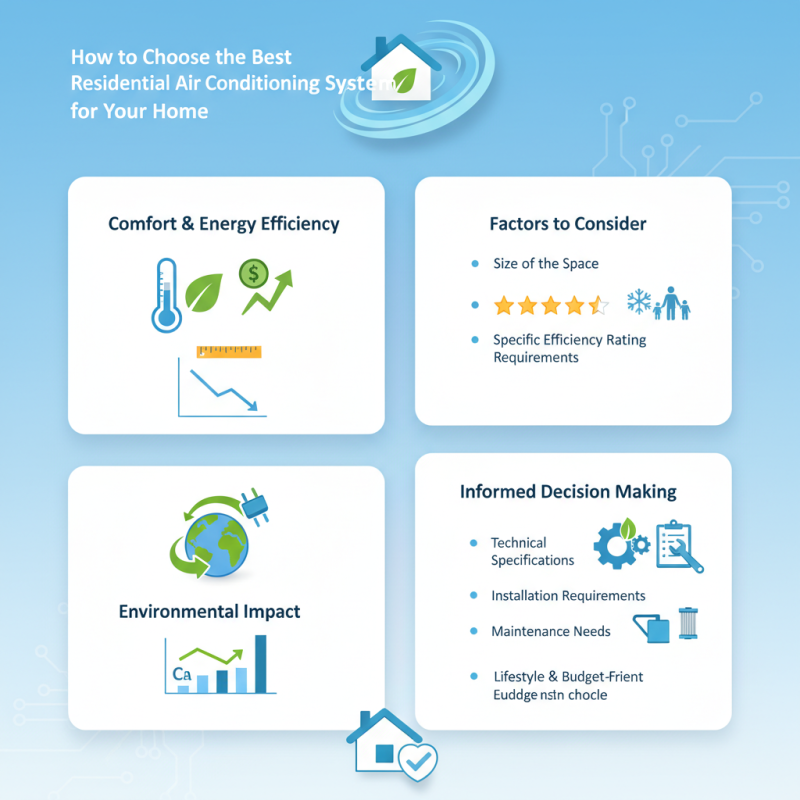
Several factors play a significant role in selecting the right system, such as the size of the space, energy efficiency ratings, and the specific cooling requirements of your household. The American Society of Heating, Refrigerating and Air-Conditioning Engineers (ASHRAE) suggests that properly sized units not only enhance comfort but also contribute to lower energy costs. With the increasing awareness of climate change and energy consumption, opting for environmentally friendly and high-efficiency residential air conditioning systems has become more important than ever.
Ultimately, understanding the technical specifications, installation requirements, and maintenance needs will empower homeowners to select the best residential air conditioning system that suits both their lifestyle and budget.
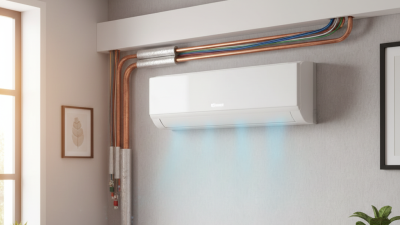
When it comes to choosing the best residential air conditioning system for your home, understanding the different types available is crucial. The two primary categories are central air conditioning systems and ductless mini-split systems. Central air conditioning is designed to cool an entire home through a system of ducts, making it a suitable choice for larger spaces. According to the U.S. Department of Energy, central air systems typically range between 14 SEER (Seasonal Energy Efficiency Ratio) and 20 SEER, with higher ratings indicating more efficient cooling performance. This efficiency not only impacts energy costs but also contributes to a lower carbon footprint.
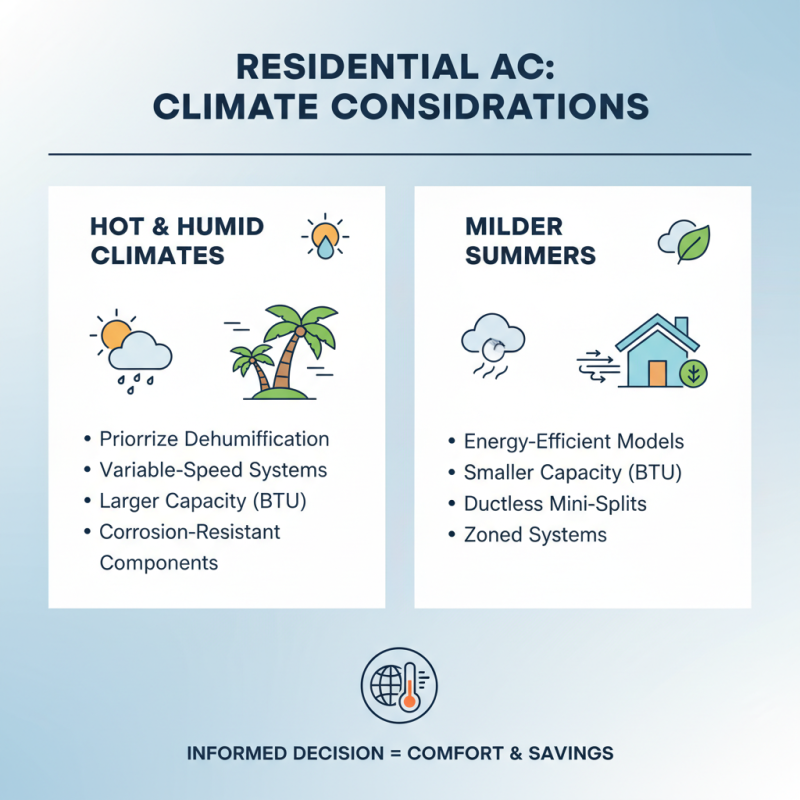
On the other hand, ductless mini-split systems have gained popularity for their flexibility and efficiency, especially in homes without existing ductwork. These systems consist of an outdoor compressor and one or more indoor units, allowing homeowners to cool specific areas as needed. According to a report by the Georgetown University Energy Prize, mini-split systems can achieve efficiency ratings of up to 30 SEER, making them an attractive option for energy-conscious consumers. Furthermore, their capability for zoning and individual room control enhances comfort and reduces energy consumption, which is essential in today’s eco-friendly market. Understanding the unique features and requirements of each type is fundamental to making an informed decision tailored to the specific needs of your home.
When selecting a residential air conditioning system, evaluating energy efficiency ratings is crucial for making an informed decision. These ratings, often represented by labels such as the Seasonal Energy Efficiency Ratio (SEER) and the Energy Efficiency Ratio (EER), provide insight into how effectively an air conditioning unit can convert energy into cooling power. A higher SEER value indicates better energy efficiency, meaning the system consumes less electricity while providing the same level of comfort. Homeowners should prioritize systems with strong energy efficiency ratings to reduce operational costs and minimize their environmental footprint.
It's equally important to consider the long-term implications of energy efficiency ratings when choosing an air conditioning system. Systems with higher ratings may come with a higher upfront cost, but they typically result in significant savings over time through lower energy bills. Additionally, energy-efficient units often have a longer lifespan and may require less maintenance, further enhancing their cost-effectiveness. By evaluating energy efficiency ratings thoroughly, homeowners can ensure they select a system that not only meets their cooling needs but also aligns with their financial and environmental goals.
| System Type | SEER Rating | Energy Efficiency Ratio (EER) | Annual Energy Cost Estimate ($) | Lifespan (Years) |
|---|---|---|---|---|
| Central Air Conditioner | 16 | 12 | 1,200 | 15 |
| Ductless Mini-Split | 18 | 14 | 1,100 | 20 |
| Window Air Conditioner | 12 | 10 | 350 | 10 |
| Portable Air Conditioner | 8 | 7 | 450 | 5 |
When selecting the best residential air conditioning system, understanding the appropriate size for your home is vital. An air conditioning unit that's too small will struggle to cool your home effectively, leading to increased energy bills and reduced comfort. Conversely, an oversized unit will cycle on and off too frequently, causing wear and tear and poor humidity control. According to the U.S. Department of Energy, the right-sized unit can improve energy efficiency by up to 30%.
To determine the correct size for your space, start by calculating the total square footage of your home. A general rule of thumb is that you need about 20 BTUs (British Thermal Units) for each square foot of living space as a basic guideline. However, factors like ceiling height, insulation quality, and the number of windows can also influence your needs. For example, homes in hotter climates may require additional cooling power. Utilizing a thorough load calculation tool or consulting with a professional can provide a more tailored recommendation for your specific situation.
Tips: Consider using energy-efficient models to save on long-term operating costs. Additionally, prioritizing proper insulation and window treatments can not only enhance comfort but also optimize the performance of your air conditioning system. Regular maintenance, such as changing filters and scheduling professional check-ups, ensures your unit operates at peak efficiency for years to come.
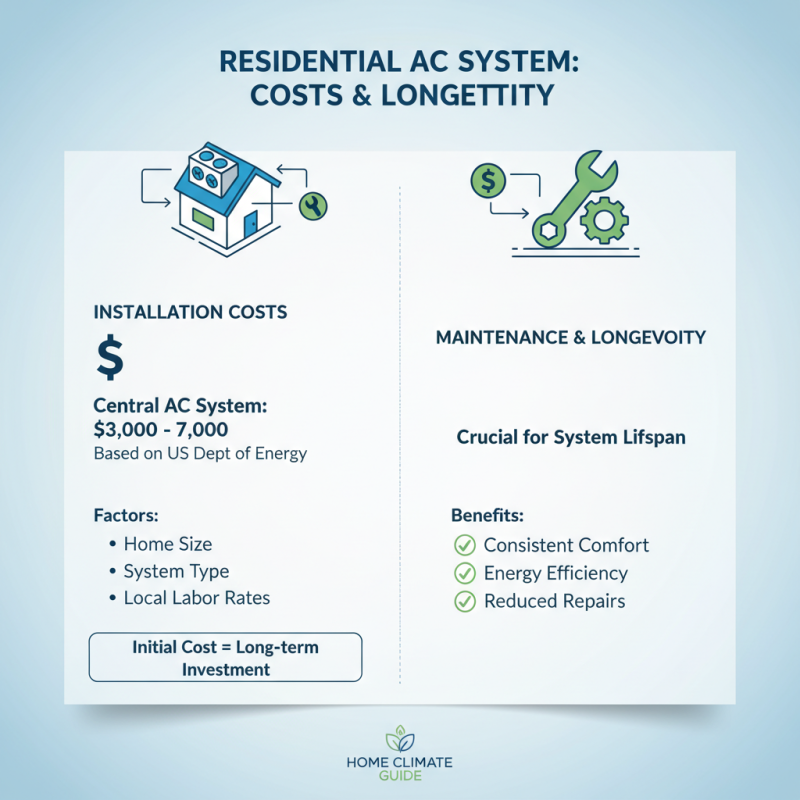
When selecting a residential air conditioning system, understanding installation and maintenance costs is crucial for ensuring the system's longevity. According to the U.S. Department of Energy, the average cost of installing a central air conditioning system ranges from $3,000 to $7,000, depending on factors such as the size of the home, the type of system chosen, and local labor rates. It's essential to consider these initial expenses as a long-term investment in your home’s comfort and energy efficiency.
In addition to installation costs, ongoing maintenance plays a pivotal role in extending the lifespan of an air conditioning system. The Air Conditioning Contractors of America (ACCA) recommends that homeowners budget around $100 to $300 annually for regular maintenance, which typically includes tasks such as cleaning coils, checking refrigerant levels, and replacing filters. Regular maintenance can help improve efficiency by up to 20 percent, ultimately reducing energy bills and prolonging the system's life. A well-maintained air conditioning unit can last 15 years or more, whereas neglecting maintenance can lead to a decline in performance and potentially costly repairs or premature replacement.
When selecting the best residential air conditioning system, considering climate and environmental factors is crucial for making an informed decision. Different regions have varying temperature ranges, humidity levels, and seasonal patterns that significantly affect cooling needs. For instance, homes in hot and humid climates may require systems that efficiently manage moisture levels as well as temperature, ensuring a comfortable indoor environment. Conversely, areas with milder summers might benefit from more energy-efficient systems that still provide adequate cooling without excessive energy consumption.
Moreover, environmental factors such as energy sources and system efficiency ratings play a vital role in the long-term impact of air conditioning choices. Homeowners should look for systems that not only meet their cooling needs but also adhere to energy efficiency standards, reducing their carbon footprint and utility bills. Additionally, considering the local environment—like the prevalence of trees and natural shading—can help determine the optimal placement of the air conditioning unit to maximize its effectiveness. By prioritizing these climate and environmental factors, homeowners can select an air conditioning system that aligns with both their comfort requirements and sustainability goals.