How to Choose the Best Air Conditioning Systems and Services for Your Home
When it comes to creating a comfortable living environment, choosing the right air conditioning systems and services air conditioning is crucial. According to industry expert Dr. Emily Thompson, a renowned HVAC consultant, "Selecting the ideal air conditioning system not only enhances your comfort but also improves energy efficiency and reduces long-term operating costs." With the myriad of options available in the market today, homeowners may find themselves overwhelmed with choices.
The key to making an informed decision lies in understanding the various features, efficiency ratings, and types of systems available, as well as the importance of professional services in installation and maintenance. From central air units to ductless mini-splits, each option has its unique advantages catered to different needs and home layouts. Dr. Thompson emphasizes the significance of seeking professional guidance, stating, "A well-informed homeowner is an empowered homeowner; the right service can ensure that your system operates at peak performance throughout its lifespan."
By delving into the selection process, homeowners can not only invest wisely in their air conditioning systems but also ensure that they choose reliable and effective services, ultimately leading to a more comfortable and energy-efficient home.

Understanding Different Types of Air Conditioning Systems Available
When considering air conditioning systems for your home, it's essential to understand the various types available to make an informed choice. Central air conditioning systems are among the most common, providing efficient cooling for entire homes. According to the American Society of Heating, Refrigerating, and Air-Conditioning Engineers (ASHRAE), central systems often have a Seasonal Energy Efficiency Ratio (SEER) rating exceeding 15, indicating a strong balance between energy consumption and cooling performance.
On the other hand, ductless mini-split systems have gained popularity in recent years, especially in homes without existing ductwork. These systems are highly flexible, allowing homeowners to cool individual rooms or zones. The U.S. Department of Energy reports that mini-split systems can achieve energy savings of up to 30% compared to conventional systems when used correctly. Furthermore, the installation process is generally less invasive, making them a viable option for retrofit projects.
For smaller spaces, window or portable air conditioning units might be more appropriate. While these options typically have lower upfront costs, the trade-off is often higher energy consumption and reduced efficiency, with average SEER ratings often below 10. Understanding the distinct characteristics of each system can help homeowners select the right solution tailored to their specific needs and energy efficiency goals.
Assessing Your Home's Cooling Needs and Requirements
When assessing your home's cooling needs and requirements, the first step is to consider the size of your living space. Larger homes may require more powerful systems or multiple units to maintain a comfortable temperature, while smaller spaces might be adequately served by compact systems. Measuring the square footage of your home and understanding the layout can help you determine the appropriate capacity of the air conditioning system. Additionally, it's important to take into account the specific areas that require cooling, such as bedrooms, living rooms, and kitchens, as these spaces often have different cooling demands.
Another crucial factor to assess is your local climate. Homes located in hotter regions may need systems with higher efficiency ratings to handle prolonged heat, while areas with milder summers might benefit from less robust units. Additionally, consider insulation quality and window placements, as these can severely affect your cooling needs. Poorly insulated homes struggle to retain cool air, leading to increased energy consumption and dissatisfaction with system performance. Addressing these aspects ensures you choose an air conditioning system that not only meets your cooling requirements but also operates efficiently, delivering comfort while minimizing energy costs.
Key Features to Consider When Choosing an Air Conditioning System
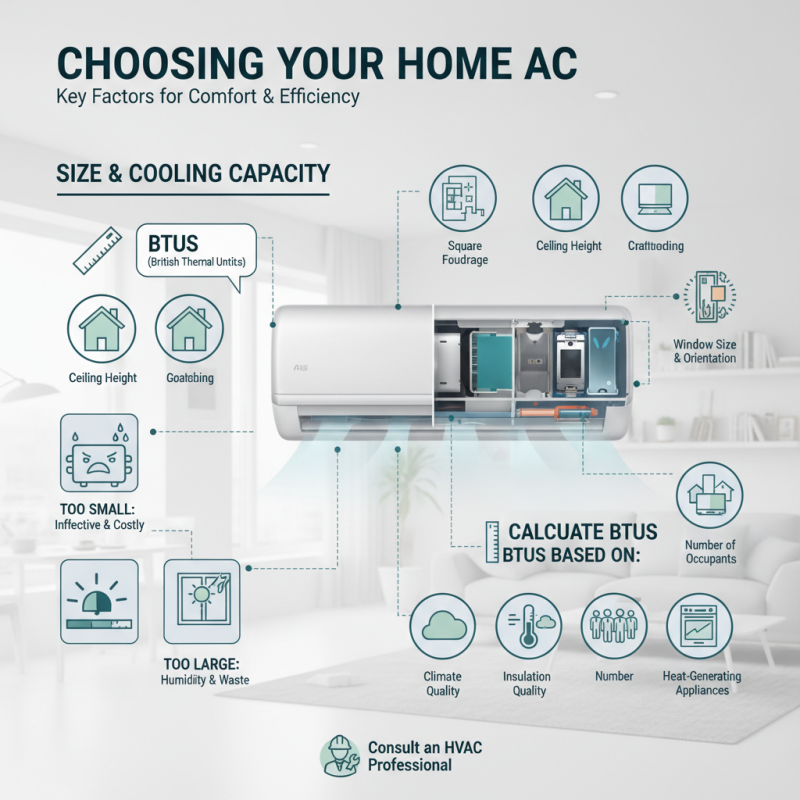
When selecting an air conditioning system for your home, several key features should guide your decision. First, assess the size and cooling capacity of the unit. An air conditioner that is too small will struggle to cool your space effectively, while one that is too large can lead to excessive energy use and humidity issues. Calculate the appropriate British Thermal Units (BTUs) needed based on the square footage of your rooms, taking into account factors such as ceiling height, window size, and insulation quality.
Energy efficiency is another crucial consideration. Look for systems with a high Seasonal Energy Efficiency Ratio (SEER) rating, which indicates better performance and lower operating costs. Durability and noise levels are also vital; a quieter model can enhance your comfort, especially in bedrooms or living areas. Additionally, explore the different types of systems available, such as central air conditioning, ductless mini-splits, or window units, to find the best match for your living space and lifestyle needs.
Comparing Air Conditioning Brands and Models for Quality and Efficiency
When selecting an air conditioning system, evaluating different brands and models based on quality and efficiency is crucial. According to the U.S. Department of Energy, air conditioning facts show that the efficiency of cooling systems varies significantly. High-efficiency models, often marked with a Seasonal Energy Efficiency Ratio (SEER) of 16 or higher, not only reduce energy consumption but also lead to substantial savings on utility bills. Furthermore, the Energy Star labeling can help identify energy-efficient products that are environmentally friendly while still meeting performance standards.
Tips: When comparing systems, consider a balance between upfront costs and long-term savings. While higher SEER-rated systems may come with a steeper initial investment, their lower operational costs can pay off over time. It's also essential to assess the warranty and customer service reputation of the manufacturers, which can impact long-term satisfaction and maintenance costs.
Another critical aspect is the compatibility of the system with your home's layout and insulation. According to a study by the American Society of Heating, Refrigerating and Air-Conditioning Engineers (ASHRAE), properly sized air conditioning units perform better and last longer. Consider consulting with HVAC professionals for a home assessment to ensure you choose a system that meets your specific needs. This holistic approach, paired with careful brand and model comparisons, can lead to an energy-efficient and effective cooling solution for your home.
Finding Reliable Air Conditioning Service Providers and Installers
When selecting an air conditioning service provider, reliability and expertise are paramount. According to the U.S. Department of Energy, nearly half of a home's energy usage goes to heating and cooling, emphasizing the importance of efficient and effective air conditioning systems. Therefore, it’s crucial to find professionals who not only install systems correctly but also understand the nuances of energy efficiency, leading to long-term savings on utility bills.
One effective way to assess potential service providers is to check certifications and customer reviews. A report by the Air Conditioning Contractors of America (ACCA) suggests that consumers should look for contractors who are certified by recognized industry organizations, which can indicate a commitment to quality workmanship and customer satisfaction. Additionally, gathering feedback from previous clients can provide insights into a provider’s reliability and service quality, ensuring that they remain in the business for years to come, thus offering ongoing support for your air conditioning needs.
By doing thorough research and seeking reputable installers, homeowners can make informed decisions that enhance both comfort and efficiency in their homes.