2025 How to Choose the Best Home Air Conditioning System for Your Needs
As we approach 2025, the importance of selecting the right home air conditioning system has never been more critical. According to the U.S. Department of Energy, air conditioning accounts for about 6% of all the electricity produced in the United States, highlighting the significant impact that efficient systems can have on energy consumption and cost savings. With advancements in technology and a growing emphasis on energy efficiency, homeowners are faced with a myriad of options that can be overwhelming.
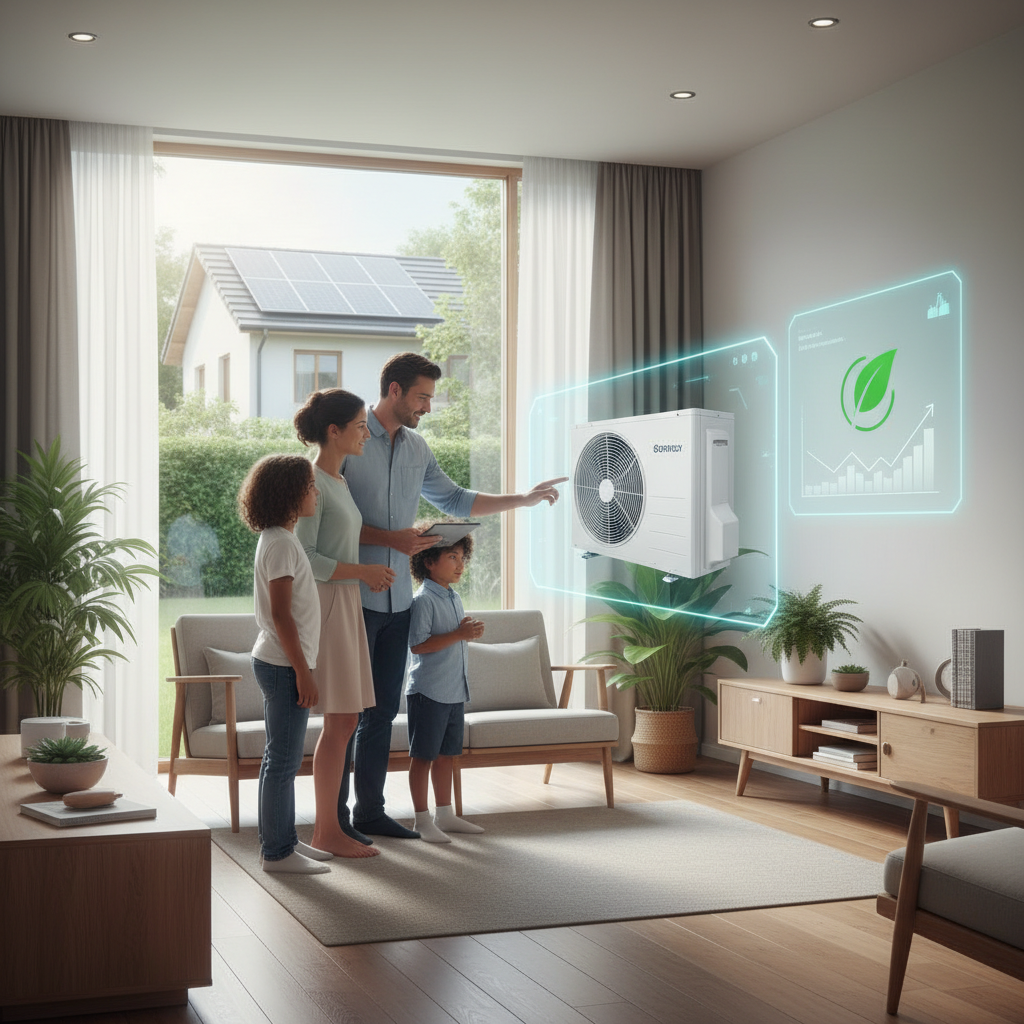
Industry expert Dr. Emily Turner, a leading air quality specialist at the Global Energy Management Institute, emphasizes the importance of thoughtful selection process: "Choosing the right home air conditioning system is not just about comfort; it’s an investment towards sustainable living and energy efficiency." By understanding the various types, efficiency ratings, and features available, consumers can make informed decisions that not only enhance their comfort but also contribute to a healthier environment.
In this guide, we will explore the key factors to consider when selecting a home air conditioning system, providing insights that are both practical and aligned with the latest industry standards. As homeowners prioritize both comfort and sustainability, the right choice can lead to significant benefits in energy savings, indoor air quality, and overall satisfaction.
Selecting the Right Type of Air Conditioning System for Your Home in 2025
In selecting the best air conditioning system for your home in 2025, it's essential to consider both efficiency and comfort. The global portable air conditioning market is projected to reach approximately $63.32 billion in 2025, with an anticipated growth to $109.61 billion by 2033, demonstrating a compound annual growth rate of 7.1%. This growth signifies a heightened demand for innovative cooling solutions that not only deliver performance but also contribute to energy efficiency.
Today's consumers are increasingly concerned about the dual challenge of enjoying cool air while managing electricity costs. The typical air conditioning unit can account for 30% to 50% of a household's total energy consumption during summer months. With over 90% penetration of air conditioning systems in urban homes in China, the focus on energy-saving features is more critical than ever. Advanced systems integrating smart technology are becoming popular, allowing for intelligent control and energy management, ensuring that users can maintain comfort without excessive energy bills.
2025 Home Air Conditioning System Efficiency Comparison
This chart compares the energy efficiency ratings (SEER) of different types of home air conditioning systems recommended for 2025. A higher SEER indicates better energy efficiency.
Key Energy Efficiency Ratings to Consider for Air Conditioners
When selecting a home air conditioning system, energy efficiency ratings are critical in determining both performance and cost-effectiveness. The Seasonal Energy Efficiency Ratio (SEER) is one key metric to evaluate. According to the U.S. Department of Energy, a SEER rating of 14-16 is considered adequate, while systems with ratings above 20 are highly efficient. Choosing a high-SEER unit can lead to significant savings on energy bills—potentially up to 30% more efficiency than lower-rated models.
Another important rating to consider is the Energy Efficiency Ratio (EER), which measures the cooling output during peak conditions. For residential air conditioners, an EER of 11 or higher is recommended for optimal efficiency. Additionally, the Energy Star certification signifies that a model meets strict energy efficiency guidelines set by the Environmental Protection Agency. According to the Energy Star program, using certified units can save homeowners about $200 annually on utility bills. By focusing on these key energy efficiency ratings, consumers can ensure they select a system that satisfies their cooling needs while minimizing environmental impact and operating costs.
Comparing Central vs. Ductless Air Conditioning Systems for Your Needs
When selecting an air conditioning system, understanding the differences between central and ductless systems is crucial for optimizing both comfort and efficiency. Central air conditioning systems are designed to cool an entire home through a network of ducts. According to the U.S. Department of Energy, they can provide consistent cooling and dehumidification, making them ideal for larger homes or those with existing ductwork. Central systems also allow for whole-house ventilation, which can enhance indoor air quality. However, the installation can be costly, often ranging from $3,500 to $7,500, depending on the home size and system capacity.
On the other hand, ductless air conditioning systems, also known as mini-split systems, offer targeted cooling solutions that can be beneficial for smaller spaces or homes without ductwork. A recent study by Energy Star reveals that ductless systems can be up to 30% more energy-efficient than traditional central air systems, particularly when cooling individual rooms. The initial investment for ductless systems can be lower, typically between $2,000 to $5,000, and they provide the added benefit of flexibility in design, allowing homeowners to choose which spaces to cool. This efficiency, coupled with easy installation, makes ductless systems an appealing option for homeowners looking to balance cost, comfort, and energy savings.
2025 How to Choose the Best Home Air Conditioning System for Your Needs - Comparing Central vs. Ductless Air Conditioning Systems for Your Needs
| Feature |
Central Air Conditioning |
Ductless Air Conditioning |
| Installation Cost |
High |
Moderate |
| Energy Efficiency |
Moderate to High |
High |
| Aesthetic Impact |
Visible ducts |
Minimal |
| Cooling Capability |
Whole-house |
Zone-specific |
| Maintenance |
Requires duct cleaning |
Low maintenance |
| Lifespan |
15-20 years |
20+ years |
| Noise Level |
Moderate |
Low |
Understanding Smart Features and Automation in 2025 Air Conditioning
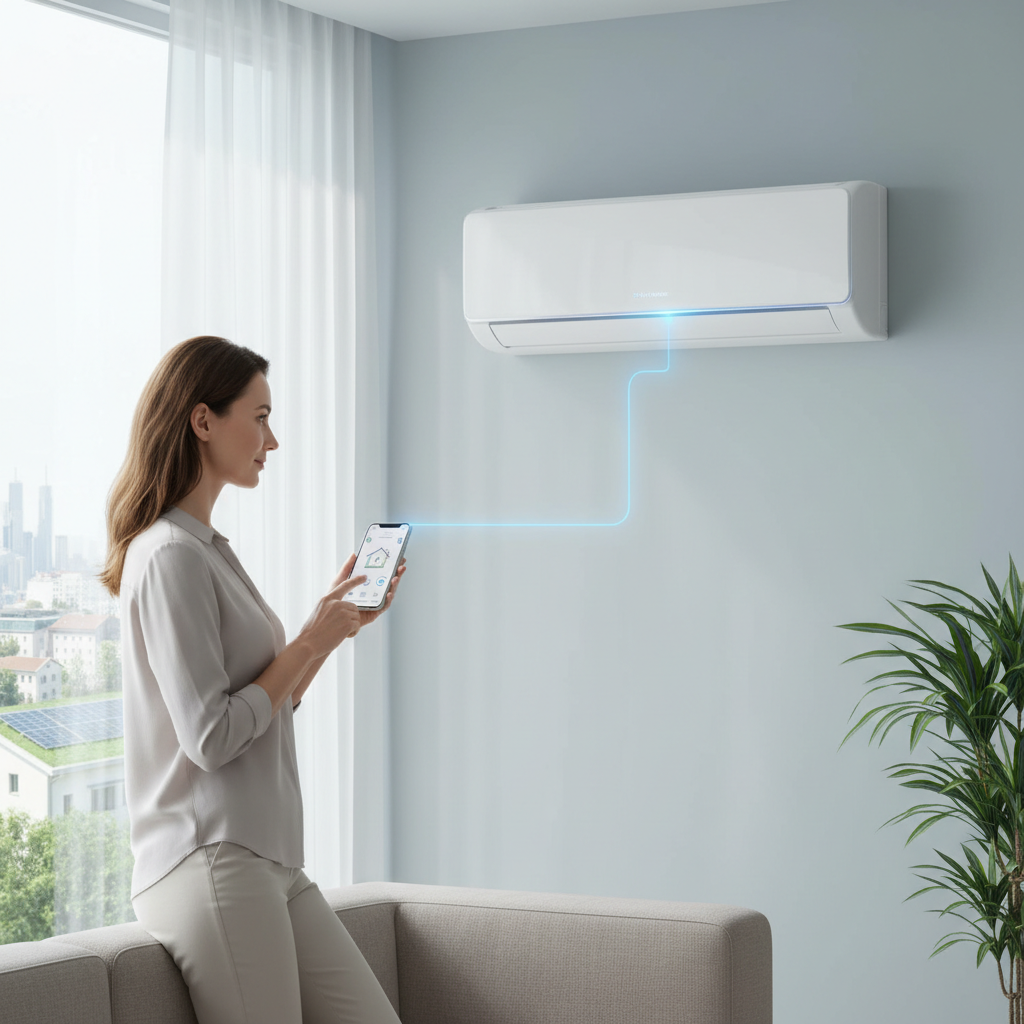
In 2025, choosing the best home air conditioning system goes beyond traditional features and efficiency ratings. A key focus for homeowners is the integration of smart technology and automation. Modern air conditioning units now come equipped with Wi-Fi capabilities, allowing users to control their systems remotely via smartphones. This connectivity not only enhances convenience but also contributes to more energy-efficient operations.
Furthermore, advancements in automation enable tailored climate control. Smart thermostats can learn your daily routines and adjust the temperature accordingly, ensuring comfort while minimizing energy consumption. Integration with home automation systems means your air conditioning can work harmoniously with other smart devices, allowing for seamless control of your living environment. Features such as occupancy sensors and weather prediction capabilities further optimize performance, making it easier than ever to maintain an ideal atmosphere in your home.
Budgeting for Your New Air Conditioning System: Costs and Financing Options
When budgeting for a new air conditioning system in 2025, it's essential to consider not only the initial purchase price but also the long-term costs associated with installation, maintenance, and operation. The cost to install a central air conditioning system can vary significantly based on factors such as home size and unit efficiency, with estimates ranging from $3,000 to $7,500. Households can save on installation costs by exploring available financing options, which often include competitive interest rates and flexible loan terms tailored to accommodate different financial situations.
Moreover, energy efficiency plays a critical role in budgeting for air conditioning. According to industry reports, heat pumps, while having a higher upfront cost, can provide better energy efficiency and lower monthly utility bills compared to traditional central air conditioning units. This can lead to considerable savings over time, making it vital for homeowners to assess their long-term financial strategy when selecting the most appropriate system for their needs. Utilizing budgeting apps can also aid in tracking expenses and visualizing future savings, ensuring a more informed and strategic investment in home cooling solutions.