How to Choose the Best Aircon Trunking for Your Home Installation Needs

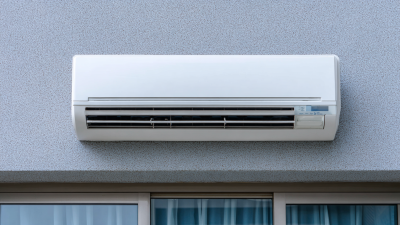
When it comes to optimizing the efficiency and aesthetics of your air conditioning installation, selecting the right aircon trunking is crucial. Aircon trunking serves as a protective and concealing measure for exposed electrical wiring and refrigerant pipes, enabling a cleaner appearance while ensuring that these components are safeguarded from environmental factors. According to the HVAC Industry Trends Report 2023, nearly 70% of homeowners consider aesthetic integration of air conditioning systems a major factor in installation decisions. This highlights the importance of choosing aircon trunking that not only meets functional requirements but also complements the overall design of the home.

Furthermore, the recent market analysis indicates that improper trunking choices can lead to increased energy consumption, with studies showing that up to 20% of efficiency can be lost due to inadequate insulation or poorly planned installations. As climate concerns grow and energy efficiency becomes a priority, understanding the various types of aircon trunking available and their specific applications is important for homeowners. By carefully assessing your installation needs and the characteristics of different trunking systems, you can enhance the longevity and effectiveness of your air conditioning setup, paving the way for both comfort and sustainability.

How to Choose the Best Aircon Trunking for Your Home Installation Needs

Types of Aircon Trunking: Understanding the Options Available
How to Choose the Best Aircon Trunking for Your Home Installation Needs

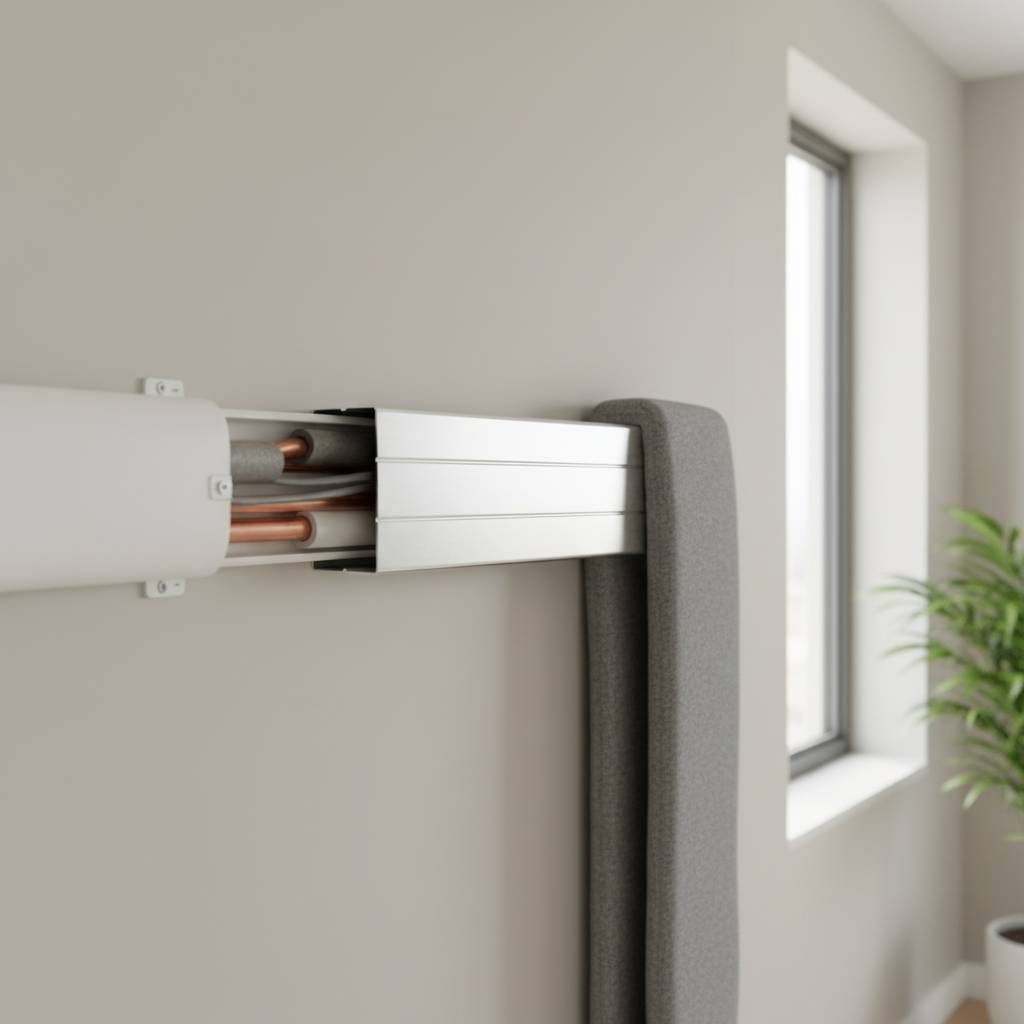
When choosing aircon trunking for your home installation, understanding the different types available is crucial. There are primarily three options: PVC, metal, and insulated trunking. PVC trunking is popular due to its affordability and ease of installation. According to a recent industry report, the PVC trunking market is expected to grow by 4.5% annually through 2026 as homeowners seek cost-effective solutions. On the other hand, metal trunking, typically made from aluminum or steel, offers enhanced durability and is often preferred for commercial installations. Insulated trunking helps in reducing energy loss, which is vital for maintaining efficiency—an important consideration as studies indicate that improper insulation can lead to energy losses of up to 30%.

When selecting trunking, consider the installation location and aesthetic preferences. For instance, if you are in a humid climate, insulated trunking can prevent condensation and improve the lifespan of your air conditioning system.

Tips: Always check for compatibility with your air conditioning unit to ensure optimal performance. Additionally, consider the ease of maintenance; some materials, like metal, may require more upkeep to prevent rust or corrosion.
Key Features to Consider When Selecting Aircon Trunking

When selecting aircon trunking for your home installation, there are several key features to consider that can significantly affect both the functionality and aesthetic of your air conditioning system. First, you should evaluate the material of the trunking. Options such as PVC, metal, or insulated trunking each have their benefits, with PVC being a popular choice for its lightweight and corrosion-resistant properties. Insulated trunking can provide additional energy efficiency by reducing heat loss and minimizing noise from the air conditioning system.

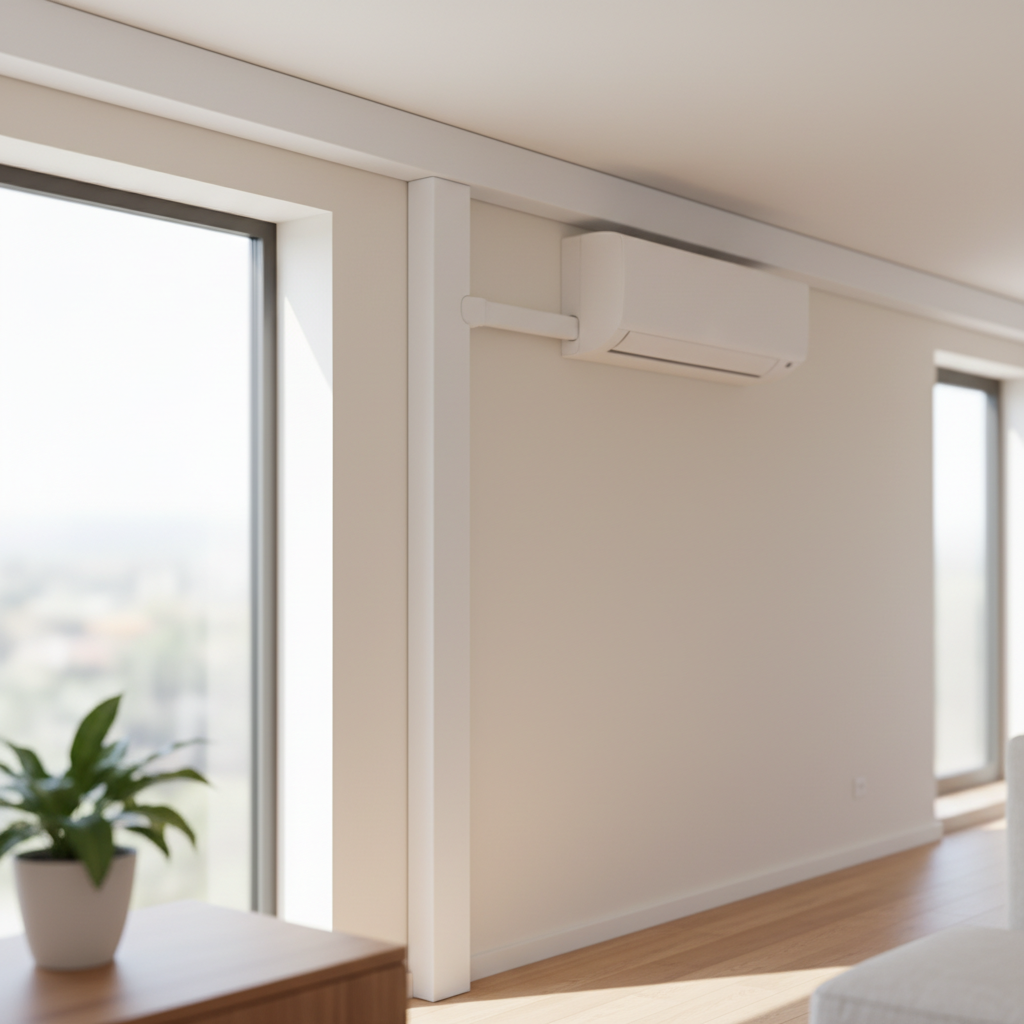
Another important factor to consider is the size and design of the trunking. The dimensions should be compatible with the air conditioning units being installed, while the design should complement the interior decor of your home. Sleek and low-profile trunking can blend seamlessly with walls and ceilings, while larger designs may be better for heavy-duty installations. Additionally, ease of installation and maintenance is crucial; look for trunking options that allow for straightforward installation and easy access for any necessary repairs or upgrades.

Aircon Trunking Features Comparison

Comparing Materials: PVC vs. Metal Aircon Trunking

How to Choose the Best Aircon Trunking for Your Home Installation Needs

When choosing the best aircon trunking for your home installation, one of the critical decisions lies in selecting the right material. PVC and metal are two popular options, each with distinct characteristics. PVC trunking is lightweight and easy to install, making it a favored choice for residential applications. It is resistant to corrosion and moisture, ensuring a long lifespan in various environments. Additionally, PVC is available in various colors and finishes, allowing it to blend seamlessly with your home's decor.

On the other hand, metal trunking, typically made from aluminum or steel, offers superior durability and strength. It is less prone to damage and can withstand higher temperatures, which is crucial for certain climates. Metal trunking also has a more industrial aesthetic, making it an ideal choice for modern homes looking for a sleek, contemporary look. However, it can be heavier and more challenging to install compared to PVC. Ultimately, the choice between PVC and metal trunking will depend on your specific installation needs, aesthetic preferences, and budget considerations.

Installation Tips: Ensuring Proper Fit and Functionality

When it comes to installing air conditioning systems, the choice of trunking is crucial for ensuring both aesthetics and functionality. Proper fitting of trunking not only enhances the visual appeal but also maximizes the efficiency of the air conditioning unit. Here are some tips to keep in mind during installation.

First, measure accurately. Before purchasing the trunking, take precise measurements of the area where the air conditioning pipes will be routed. This helps in selecting the right length and type of trunking, minimizing the need for awkward cuts or additional connectors. Consider the size and weight of the trunking material as well; lightweight options may be easier to handle and install.

Next, ensure proper adhesion and sealing. Use high-quality adhesive to secure the trunking to the wall, and make sure to seal any joints or gaps with silicone sealant. This prevents air leaks and enhances insulation, leading to better energy efficiency. Additionally, allow adequate space around the pipes for any expansions and contractions that may occur, which helps in avoiding potential damages in the trunking over time.

How to Choose the Best Aircon Trunking for Your Home Installation Needs

Dimension Material Color Options Installation Ease Price (per meter)
50mm x 50mm PVC White, Black Easy $1.50
60mm x 60mm ABS Plastic Grey, Beige Moderate $2.00
75mm x 75mm Metal Silver, White Difficult $3.50
100mm x 100mm PVC White, Black Easy $2.75

Cost Considerations: Balancing Quality and Budget for Aircon Trunking

When selecting aircon trunking for your home installation, balancing quality with budget is paramount. High-quality materials, such as PVC or metal, ensure durability and effective insulation to prevent energy loss. While opting for cheaper options may seem cost-effective initially, they can lead to higher long-term expenses due to repairs and inefficiencies. Investing in reliable trunking that can withstand environmental factors is essential for maintaining optimal air conditioning performance.

Additionally, it's crucial to factor in installation costs and potential long-term savings on energy bills. More expensive trunking solutions often offer better airflow dynamics and insulation, which can translate to lower electricity costs over time. As you evaluate your budget, consider the total lifecycle cost of the trunking. This includes the initial investment, installation fees, and expected maintenance. By striking the right balance between cost and quality, you can ensure that your air conditioning system operates efficiently while minimizing future financial burdens.