As the summer heat intensifies, creating a cool and comfortable indoor environment becomes a top priority for many homeowners. Effective air conditioning and installation are essential components in achieving this goal. According to renowned HVAC expert, John Smith, “Investing in proper air conditioning and installation can drastically improve your home’s comfort and efficiency.” With the right techniques, even the hottest days can be transformed into a refuge of coolness.
In this guide, we will explore the top five air conditioning and installation tips that can help you maximize your home's cooling potential this summer. From selecting the right unit to understanding the intricacies of installation, these strategies are designed to enhance your air conditioning system's performance. By implementing these expert tips, you'll ensure that your home remains an oasis of comfort, all while potentially reducing energy costs. Stay cool and informed as we dive into the essentials of air conditioning and installation for a refreshing summer experience.
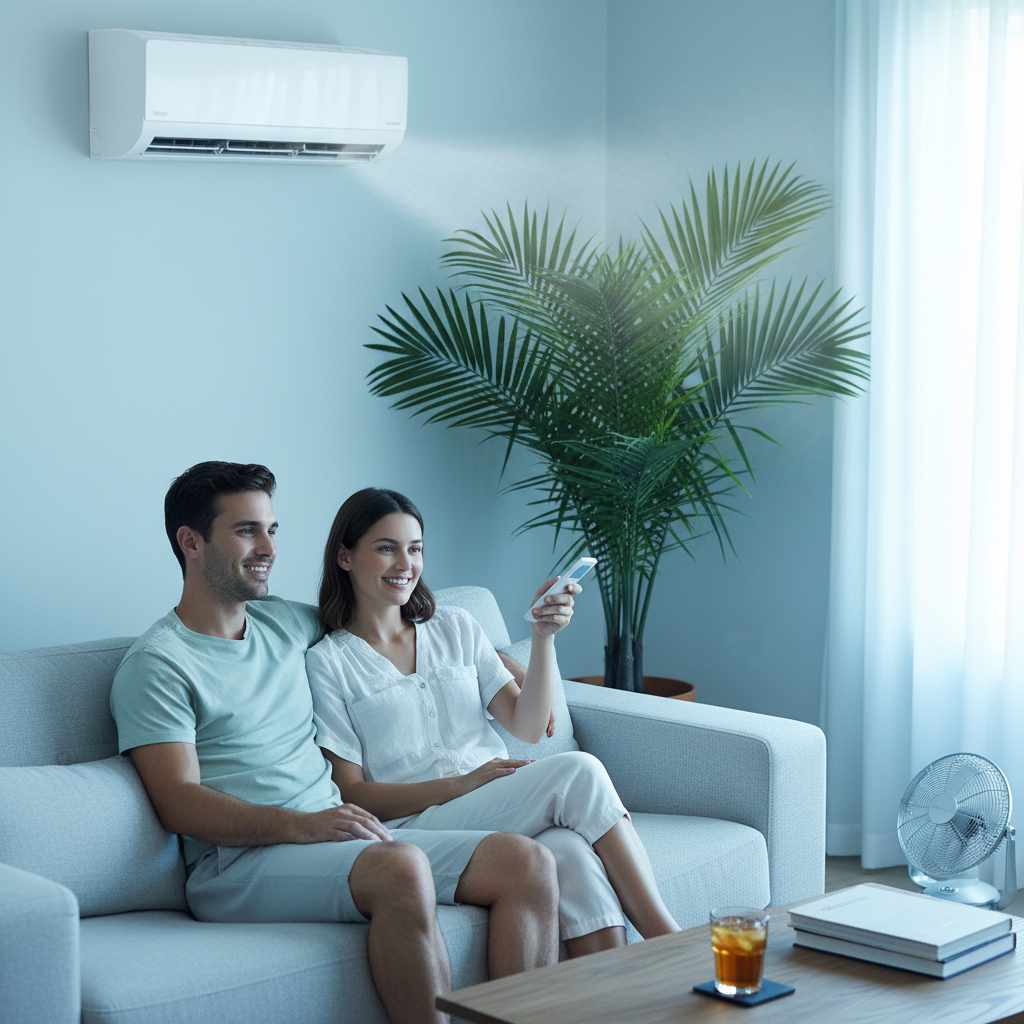
Maintaining an air conditioning system is crucial for ensuring optimal efficiency, especially during the scorching summer months. One of the primary maintenance tasks is to regularly clean or replace the air filters. Clogged filters can restrict airflow, making the unit work harder and consume more energy. By keeping the filters clean, homeowners can improve indoor air quality and reduce energy bills. Additionally, scheduling professional inspections at least once a year can help identify potential issues before they escalate, ensuring that the system runs smoothly and effectively.
Another vital aspect of air conditioning maintenance is checking the refrigerant levels. Low refrigerant can lead to decreased cooling capacity and potential damage to the compressor. Homeowners should also inspect the outdoor unit for debris such as leaves, dirt, and grass that can obstruct airflow. Keeping the area around the condenser clean allows the unit to operate efficiently. Furthermore, ensuring that the thermostat is functioning properly can enhance the overall performance of the air conditioning system, keeping homes comfortably cool while also saving on energy costs. By investing time in these maintenance practices, homeowners can enjoy a more efficient air conditioning experience throughout the summer.
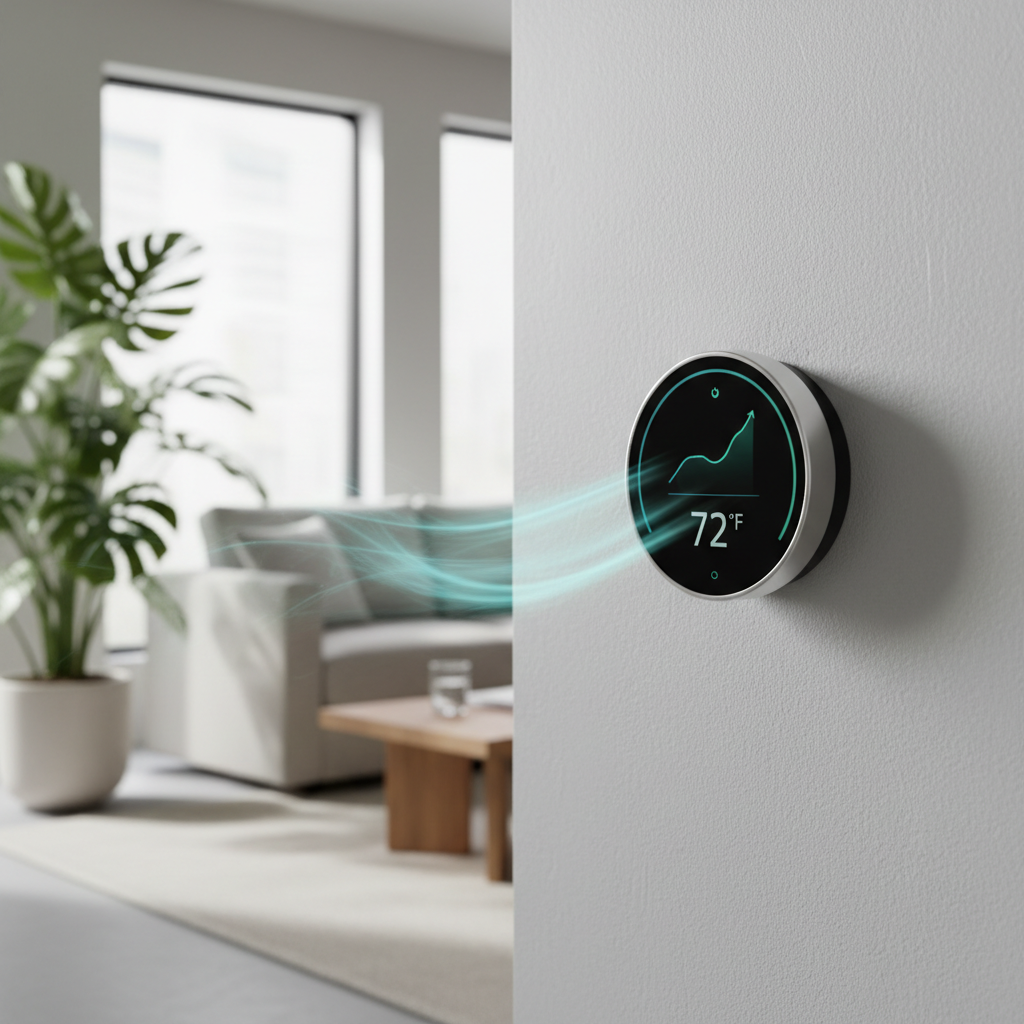
Choosing the right air conditioning unit for your home is crucial to ensure optimal cooling and energy efficiency. First, assess the size of your home, as this plays a significant role in determining the appropriate cooling capacity. Air conditioners are rated in BTUs (British Thermal Units), and a unit that is too small will struggle to cool the space, while one that is too large may cycle on and off too frequently, leading to inefficient energy use and discomfort. A common guideline is to have roughly 20 BTUs per square foot of living space, but factors such as ceiling height, insulation quality, and the number of windows can also impact this calculation.
Next, consider the type of air conditioning system that best suits your needs. Central air conditioning is ideal for larger homes, providing consistent temperatures throughout. In contrast, ductless mini-split systems or window units can be more cost-effective for smaller areas or specific rooms. When selecting a unit, also factor in the energy efficiency rating—look for models with a higher SEER (Seasonal Energy Efficiency Ratio) as they will save you money on energy bills in the long run. Prioritizing these elements will help you choose the best air conditioning solution for a cool, comfortable summer.
When it comes to ensuring a cool and comfortable home during the hot summer months, proper air conditioning installation is paramount. According to a report by the Energy Information Administration, about 90% of U.S. homes are equipped with air conditioning, highlighting its importance in residential comfort. However, improper installation can result in significant energy waste, with the U.S. Department of Energy estimating that it can lead to a 30% increase in energy costs. Therefore, following expert tips during the installation process is essential.
First and foremost, selecting the right size air conditioning unit for your space is crucial. An overweight or underweight system can cause inefficient cooling and higher energy consumption. A study by the Air Conditioning, Heating, and Refrigeration Institute (AHRI) reveals that HVAC systems sized and installed correctly operate more efficiently, leading to lower utility bills and improved indoor air quality. Furthermore, ensuring adequate insulation and sealing ductwork during installation can significantly enhance the system's performance, further contributing to energy savings. By prioritizing a professional installation that follows these guidelines, homeowners can enjoy a cool, energy-efficient haven all summer long.
| Tip No. | Tip Description | Expected Outcome | Implementation Difficulty |
|---|---|---|---|
| 1 | Ensure proper sizing of your air conditioning unit based on the space. | Efficient cooling and energy saving. | Medium |
| 2 | Install the AC unit in a shaded area to enhance efficiency. | Lower energy consumption. | Low |
| 3 | Regularly clean or replace air filters every few months. | Improved air quality and unit longevity. | Low |
| 4 | Seal any air leaks in your home. | Enhanced cooling and lower utility bills. | Medium |
| 5 | Schedule regular maintenance checks by professionals. | Prevention of breakdowns and optimal efficiency. | High |
In the quest for a cool and comfortable home during the scorching summer months, a smart thermostat can be your best ally. These innovative devices enable you to monitor and control your home's temperature with ease, adapting to your schedule and preferences for maximum energy savings. One standout feature is their ability to learn your habits. Smart thermostats can analyze when you're home or away, adjusting the temperature accordingly to prevent unnecessary cooling, which can significantly lower your energy bills.
In addition to energy efficiency, many smart thermostats offer remote access through your smartphone, allowing you to manage your cooling system from anywhere. This feature is particularly useful for those unexpected changes in plans, ensuring your home remains at the perfect temperature when you arrive. Moreover, consider integrating your thermostat with other smart home devices for a comprehensive cooling strategy. You can program routine settings or even connect it to weather forecasts, making it a proactive tool for maintaining comfort.
When it comes to installation, hire a professional who understands the latest technologies to ensure optimal performance. Additionally, regularly updating your thermostat’s software can unlock new features and improve efficiency. By leveraging these smart thermostat features, you can create an inviting and energy-efficient haven while beating the summer heat.
As temperatures rise during the summer months, ensuring your air conditioning system operates efficiently is crucial. One common mistake homeowners make is neglecting regular maintenance. Failing to clean or replace air filters can drastically reduce air quality and efficiency, forcing the system to work harder and potentially leading to breakdowns. Setting a schedule for routine check-ups can enhance performance and prolong the lifespan of your unit.
Another frequent error is incorrect thermostat placement. Installing a thermostat in direct sunlight or near heat sources, such as lamps or appliances, can cause inaccurate readings and inefficient cooling. Instead, ensure it’s located in a shaded area where it can accurately gauge room temperature. Additionally, overworking your system by setting an unreasonably low temperature can lead to high energy bills and excessive wear. It’s essential to find a comfortable yet reasonable setting, helping you stay cool without compromising your HVAC system's integrity.